
Why Historic Places Matter to People
by Matthew Dyer, Head of Conservation
In discussions about heritage, attention is often focused on buildings.
- Their age.
- Their architecture.
- Their significance.
- Their condition.
Yet the true value of historic places lies not in the buildings themselves, but in the relationships people build with them.
Historic places help people understand where they come from and where they belong. Much like language, oral history and local traditions, they provide a tangible connection between past, present and future. They tell the story of how a place evolved, who shaped it and how communities have changed over time.
In an increasingly unstable world, where technology often replaces face-to-face interaction and communities can feel fragmented, historic places provide continuity during periods of change. They offer something increasingly rare: permanence.
This is reflected in a growing body of research. Historic England’s Heritage Counts programme has repeatedly demonstrated links between historic places, wellbeing, civic pride, community engagement and attachment to place. People are more likely to feel connected to places that retain a strong sense of identity and character. Heritage isn’t simply about understanding history. It’s about understanding ourselves.
The importance of this connection becomes most visible when communities feel it is threatened.
When people campaign to save a historic library, theatre, market building or town hall, they’re rarely responding solely to architectural significance. More often they’re protecting memories, shared experiences and a sense of collective identity. These buildings act as physical anchors for stories, traditions and relationships that extend far beyond the fabric itself.
Historic places generate value in ways that are often overlooked.
The first is social value. Loneliness, poor mental health and social isolation place increasing pressure on public services. Historic buildings can play an important role in addressing these challenges when they’re adapted for contemporary community use.
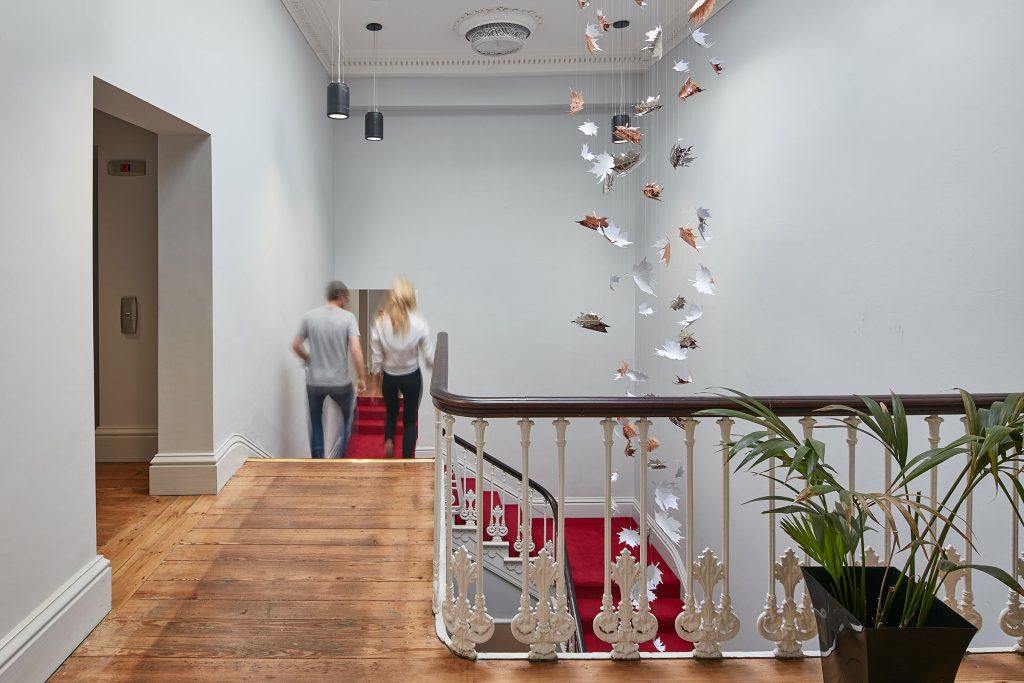
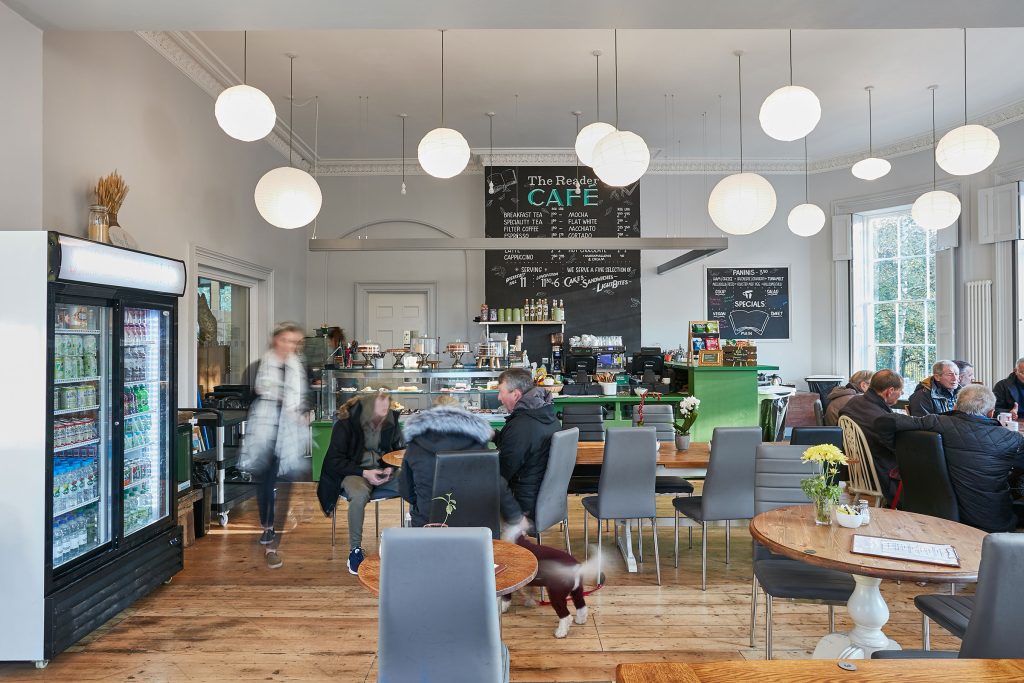
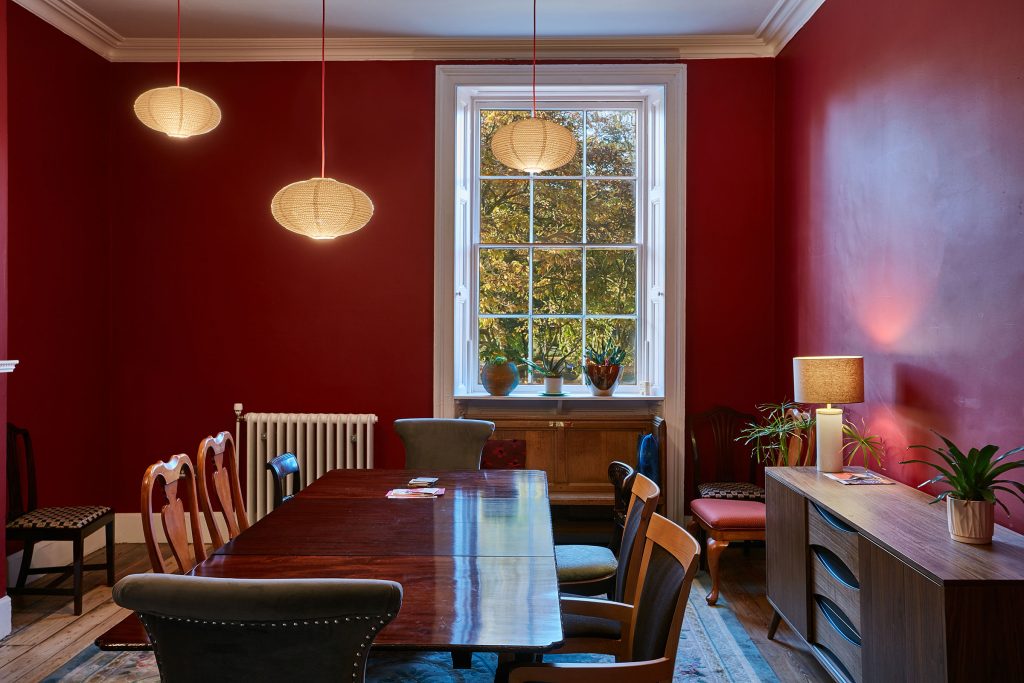
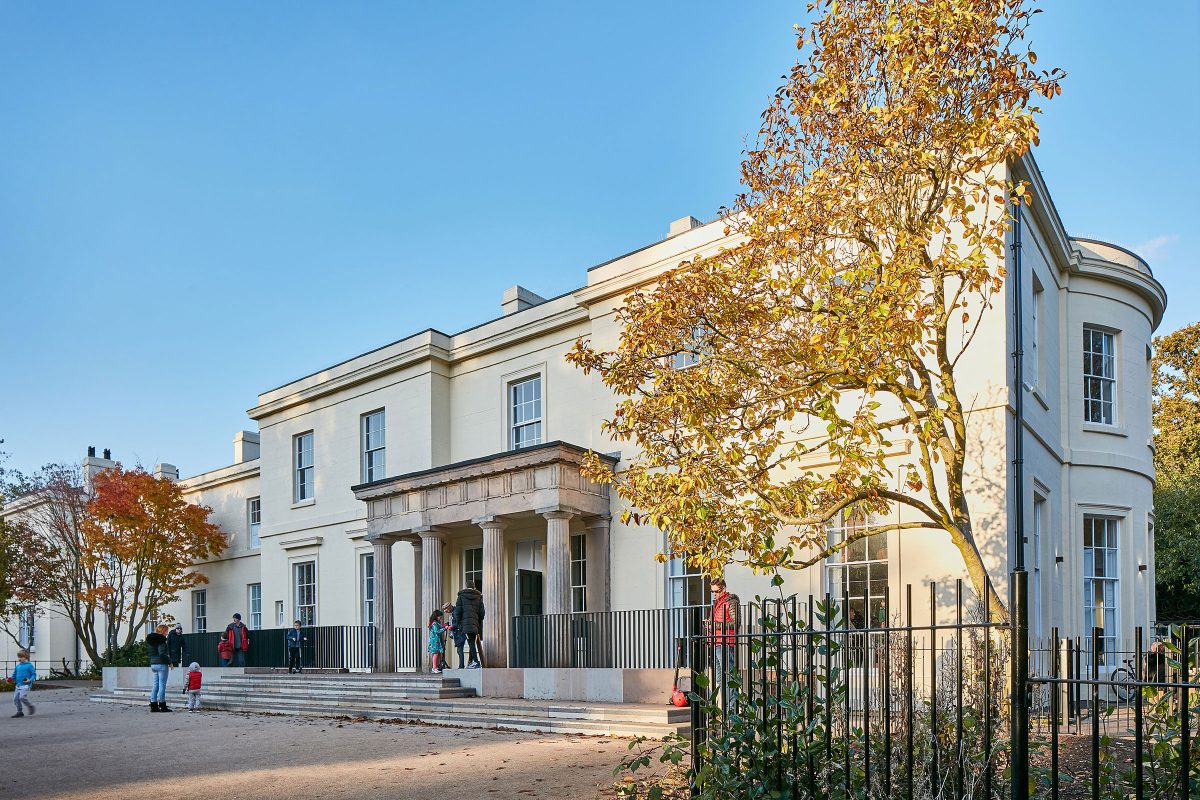
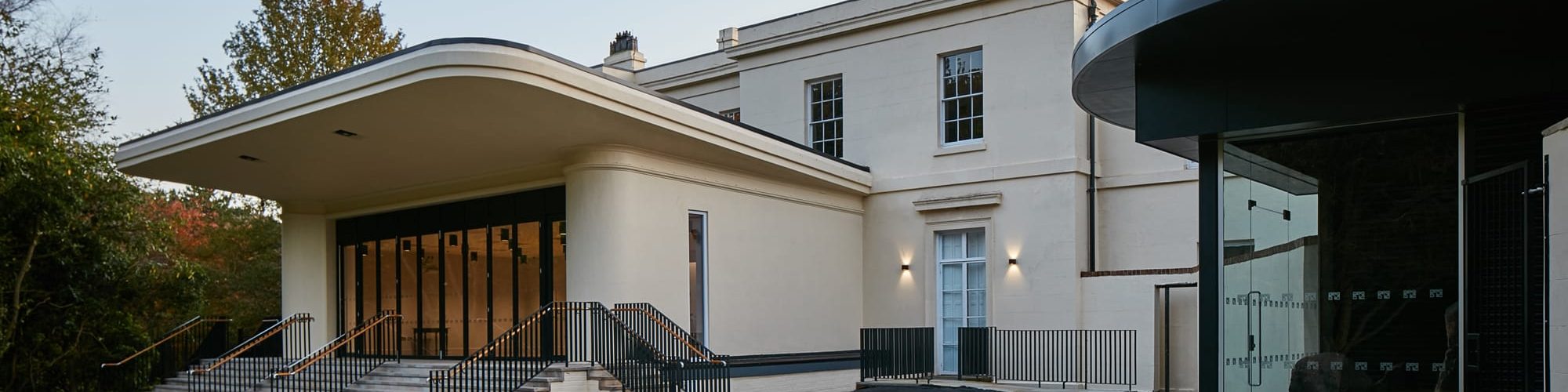
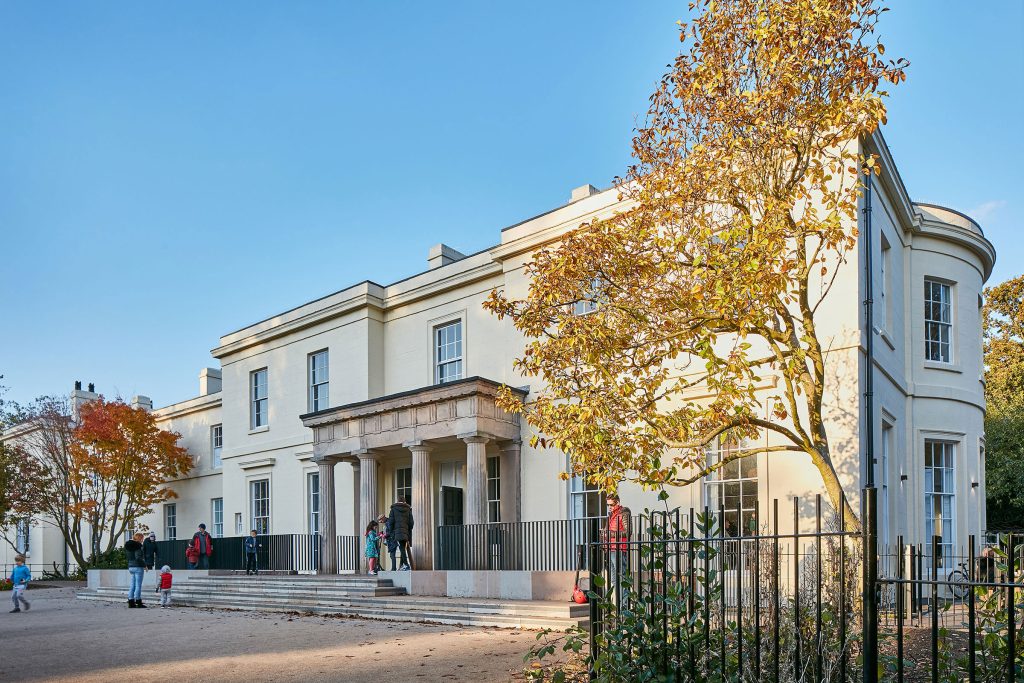
At Calderstones Mansion House in Liverpool, the restoration of a neglected historic building enabled The Reader charity to create something genuinely new: a civic space built around shared reading, wellbeing and community connection, open to everyone and free to enter. The building had been closed to the public since the early 1970s and was deteriorating when The Reader secured its lease. What
replaced that neglect was a place where people gather not for a transaction but for an experience. The Mansion House became a model for what a historic building can be when its future is shaped around people rather than simply around its past.
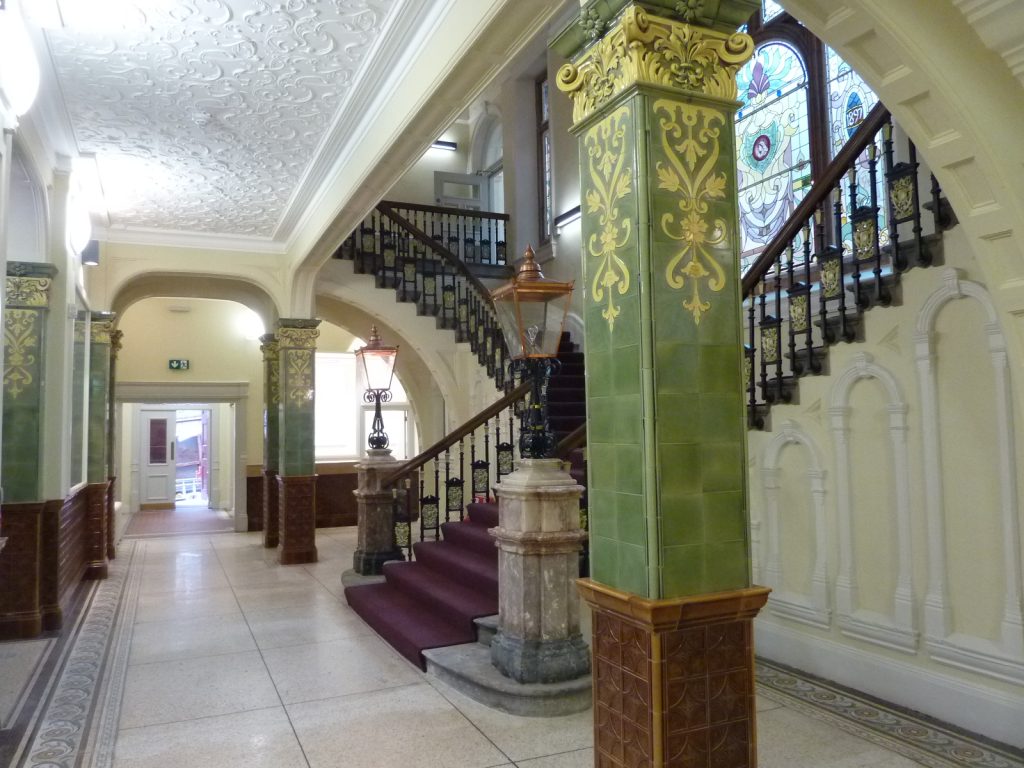
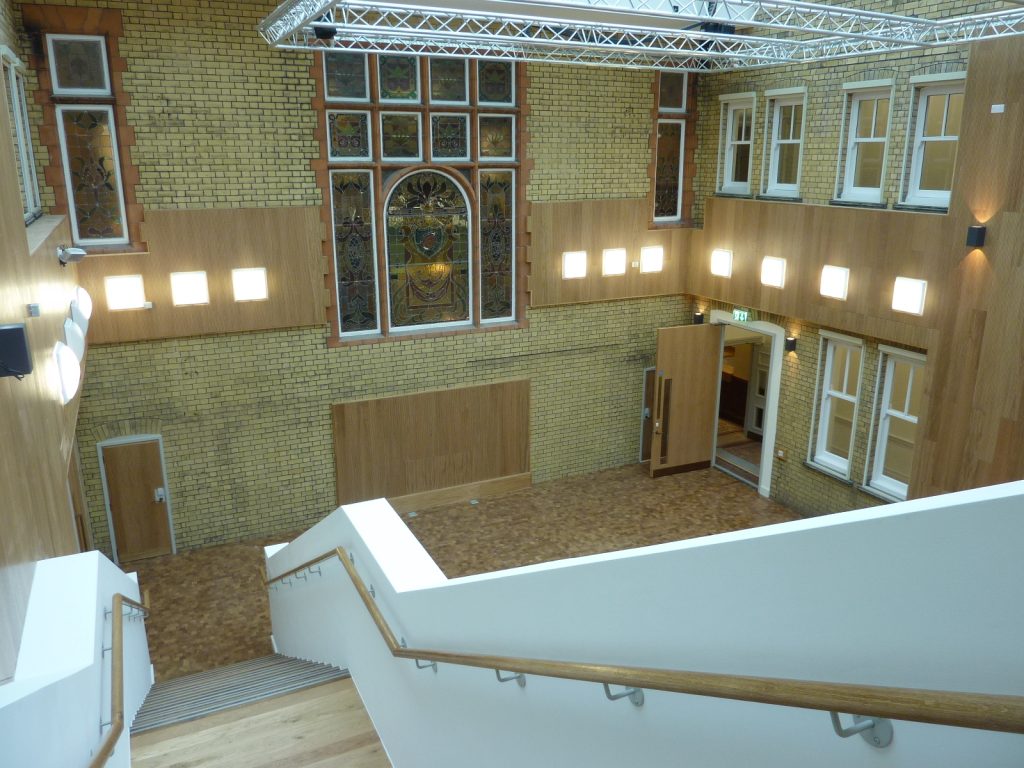
The experience of Redhouse in Merthyr Tydfil illustrates a different dimension of the same principle. The former town hall, a Grade II* listed building at the heart of the town, was restored in 2014 through an £8 million programme supported by the Welsh Government, Heritage Lottery Fund and Cadw. When operational difficulties led to its closure in 2024, the community response was immediate and sustained. In a traditional model, a closed business is deemed a failure. Here, closure triggered something a balance sheet was never built to measure. Residents and local organisations campaigned publicly for the building’s future, and in January 2026, Merthyr Tydfil County Borough Council voted unanimously to bring it back into council ownership. The intensity of that response, and the unanimity of the council vote, demonstrated something no impact report could easily quantify. The building had become part of the town’s collective memory. People were not simply attached to a historic building. They were attached to what it represented.
Historic places also generate educational value. They provide opportunities to learn not only about history but about place. They help younger generations understand how their communities evolved and foster a stronger sense of belonging. When local people are involved in shaping the future of historic assets, they develop a greater sense of ownership and responsibility for the places around them.
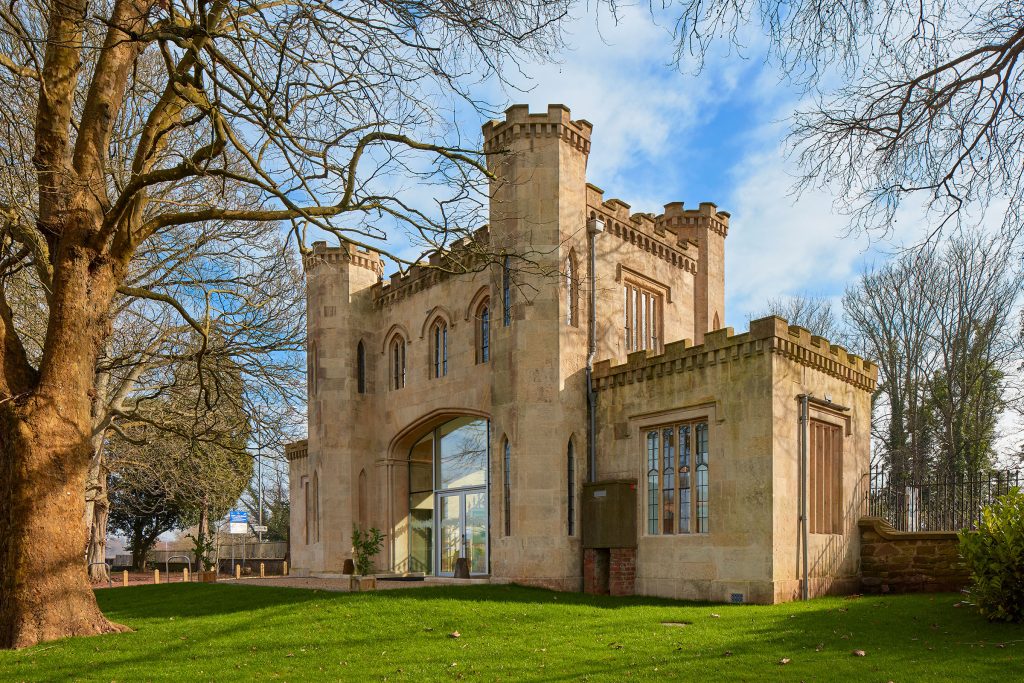
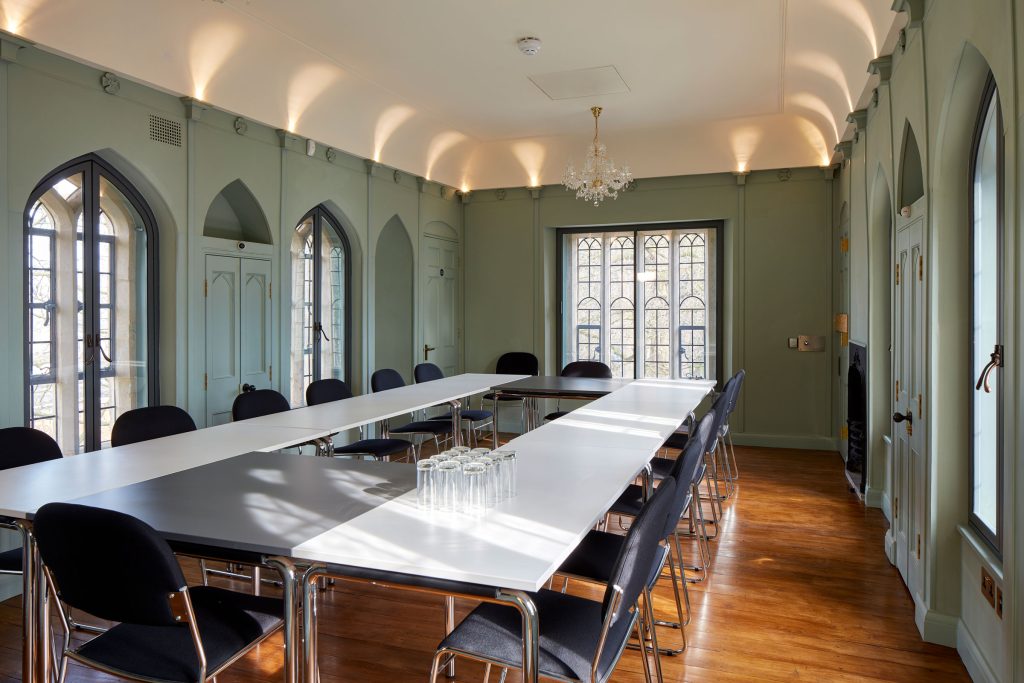
Lower Lodge Gatehouse in Bristol shows what involvement can look like when young people help shape it directly. Built in 1805 as the ceremonial entrance to the Ashton Court Estate, the Grade II listed gatehouse had spent years on Historic England’s Heritage at Risk Register before Austin-Smith restored it for Bristol City Council in 2017 as a community hub and heritage learning centre run by Ashton Park School. Supported by the Heritage Lottery Fund, students did not simply inherit the restored building. They helped capture its story, collecting oral histories from local people about the gatehouse, the wider Ashton Court Estate and the area’s coal mining heritage. The building was later damaged in an accident and restored a second time, reopening to the school in 2024. What survived both restorations wasn’t just a building. It was a relationship between a school and its own history, built by the pupils who went looking for it.
Perhaps most importantly, historic places create economic value. Successful regeneration is rarely driven by new development alone. Historic buildings often act as cultural anchors around which wider investment takes place.
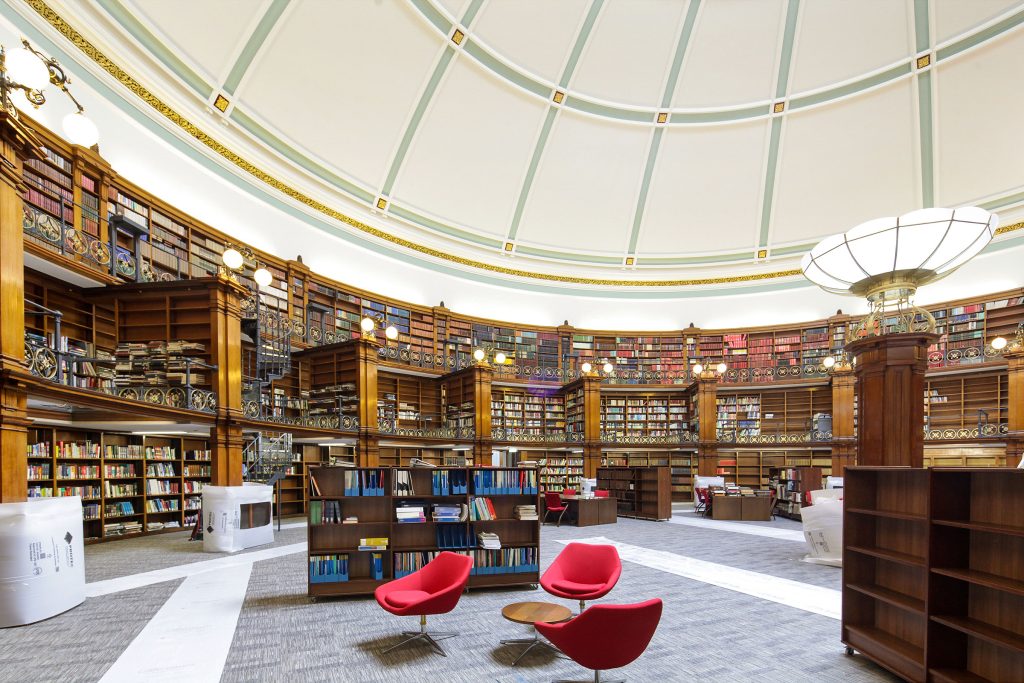
Liverpool Central Library provides a powerful example, and one in which our practice was directly involved. The £50 million restoration created far more than a refurbished library. By 2017, the building was attracting around 750,000 visitors annually. In 2018, five years after reopening, the Bookseller’s Library of the Year judges found it was still on an upward trajectory, citing its community cultural programme, its seven-day opening and the simple observation from residents that it was always packed. The building hadn’t simply been restored. It had become a permanent fixture in the life of the city.
Heritage shouldn’t be viewed as a competing priority alongside education, health or economic development.
When historic places are successfully adapted and managed, they contribute to all three.
- They support wellbeing.
- They enrich education.
- They stimulate economic activity.
Most importantly, they strengthen the connection between people and place.
In a period of rapid social, economic and technological change, that connection has never been more important. Historic places matter because they remind us that we are part of a larger story. They help us understand where we’ve come from, provide continuity in the present and give future generations a tangible link to the communities that shaped them.
Ultimately, the value of historic places isn’t measured solely by the buildings we preserve.
It’s measured by the people who continue to care about them.
More in this series:
0 – Introduction: We Need a Different Conversation About Conservation
1 – Why Historic Places Matter to People

