
We Need a Different Conversation About Conservation
by Matthew Dyer, Head of Conservation
Historic places are woven into everyday life. They shape the character of our towns and cities. They provide landmarks, memories and points of connection. They contribute to local economies, support community identity and help explain how places came to be the way they are. Yet the decisions that determine their future are often poorly understood.
Conservation is frequently presented as a choice between protecting the past and embracing change. In practice, it is rarely that simple.
Historic buildings continue to evolve as environmental conditions change, communities change and expectations change. Every project involves decisions about what should be protected, what can be adapted and what must be understood before either of those choices can be made. Those decisions are rarely technical alone.
They involve questions of significance, economics, sustainability, community identity, building performance, and long-term stewardship. They require us to balance competing priorities and make judgements about what matters most. That is why conservation cannot be reduced to a set of rules.
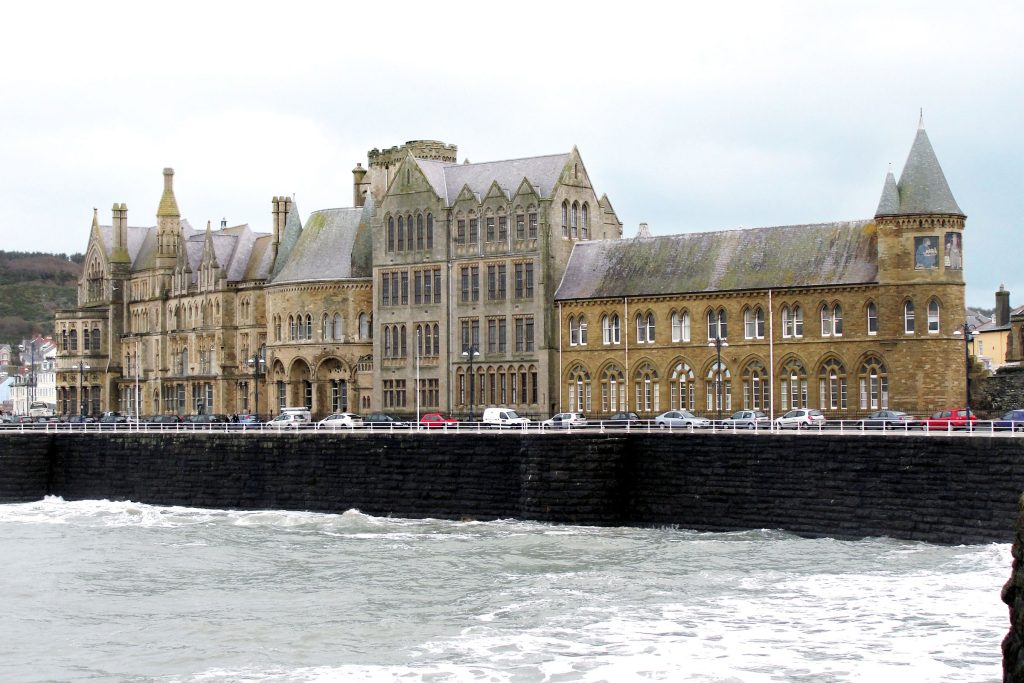
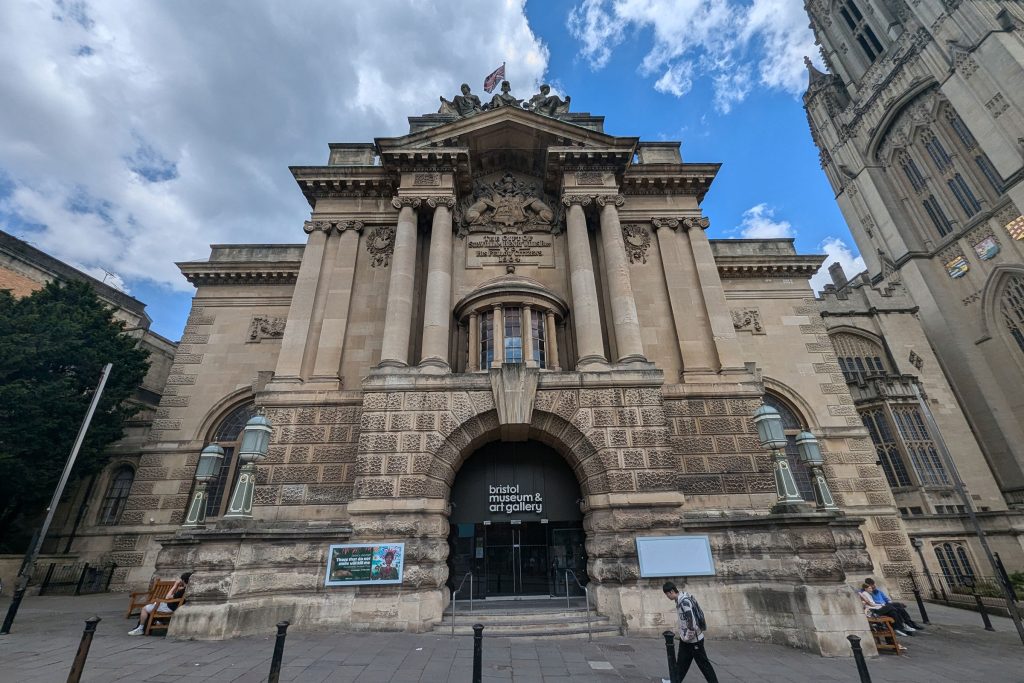
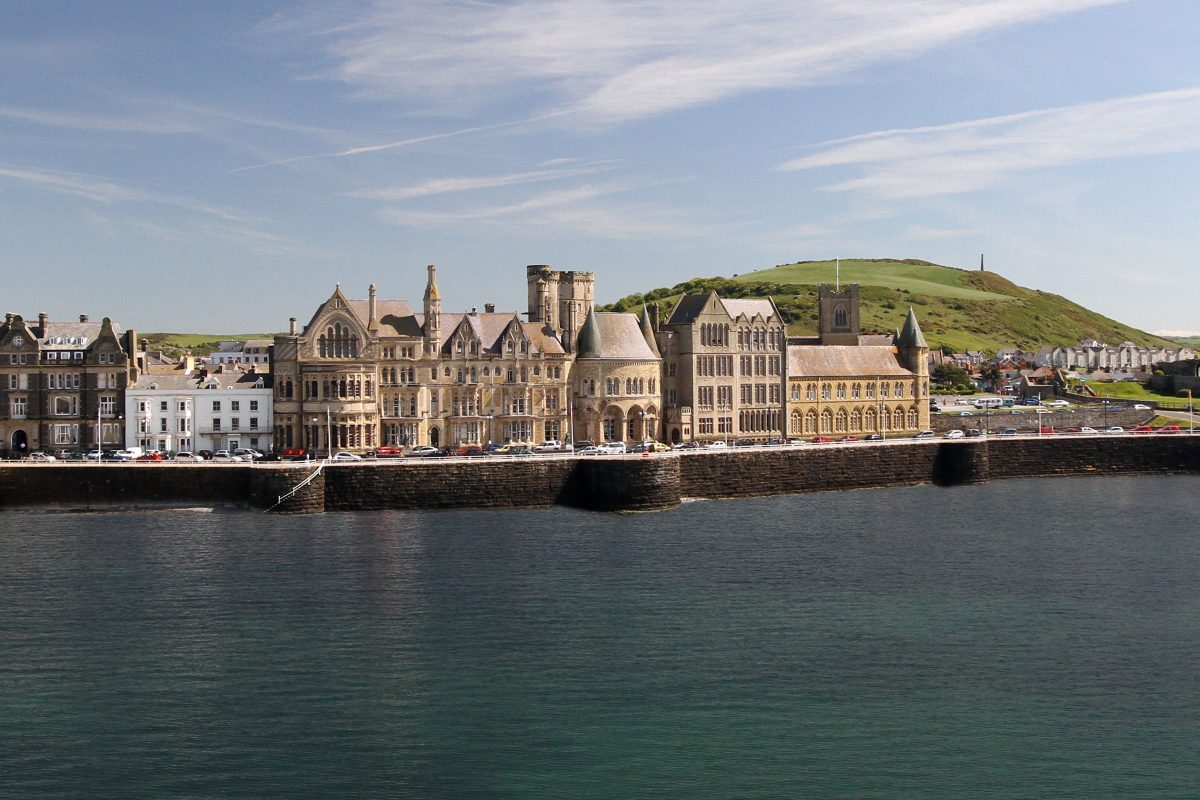
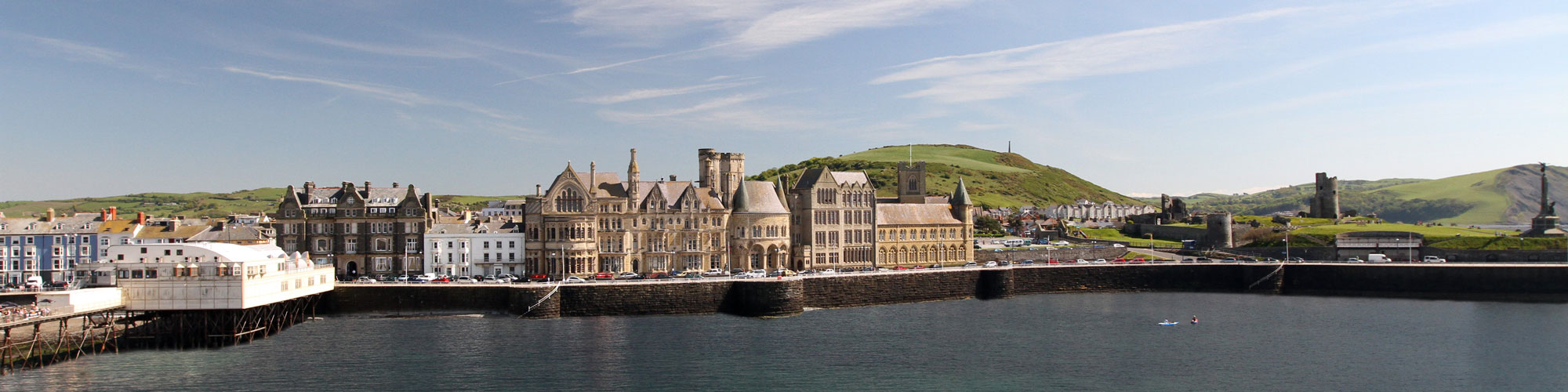
Over the course of my career, and particularly through recent work on projects such as Old College Aberystwyth, Bristol Museum and Art Gallery and Swansea Castle, I have become increasingly aware that many of the most important conservation conversations take place away from the public eye.
They are not usually debates about architectural style. More often they are questions about value.
- Why do historic places matter?
- What role should heritage play in regeneration?
- How should we adapt traditional buildings to a changing climate?
- How is conservation expertise developed and passed on?
- What happens when funding is limited, maintenance is deferred or different forms of significance point towards different solutions?
These questions affect far more than historic buildings. They influence how towns and cities evolve. They shape community identity. They affect where investment is directed and how environmental responsibilities are balanced against cultural ones.
Yet conservation is often discussed only when a planning application becomes controversial or a building appears at risk.
This series aims to broaden that conversation.
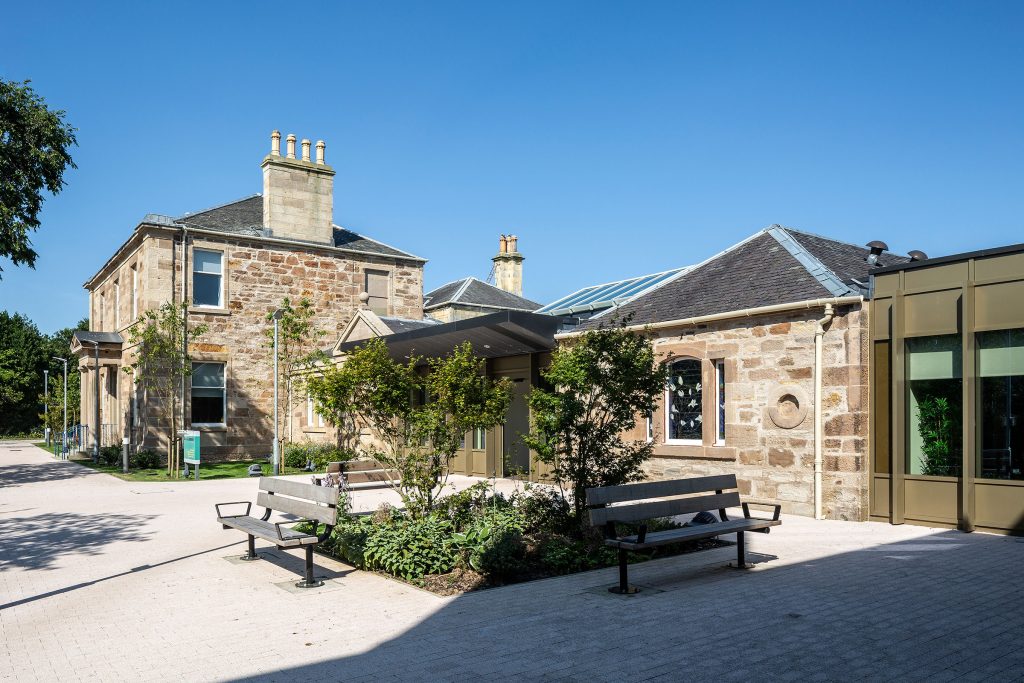
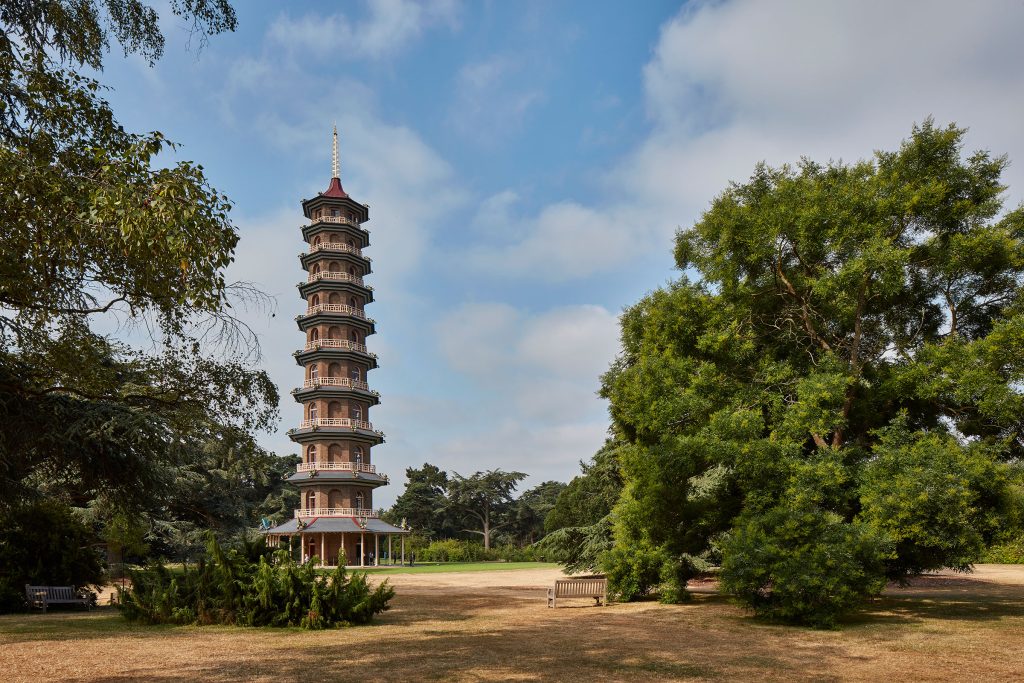
Together, the articles make a simple argument. Historic places matter because they continue to matter to people. Caring for them requires more than technical knowledge. It requires judgement, stewardship and an understanding of the many different values that historic places hold.
Across the series I explore themes that emerge repeatedly in practice, from the social and economic value of historic places to conservation philosophy, climate adaptation, professional expertise and long-term stewardship. Along the way we examine some of the less visible aspects of conservation work and some of the more difficult judgements that practitioners are required to make.
Conservation is not simply the preservation of old buildings. It is the careful process of understanding what gives places their value, managing change responsibly and making informed choices about how the historic built environment is cared for, adapted and entrusted to future generations.
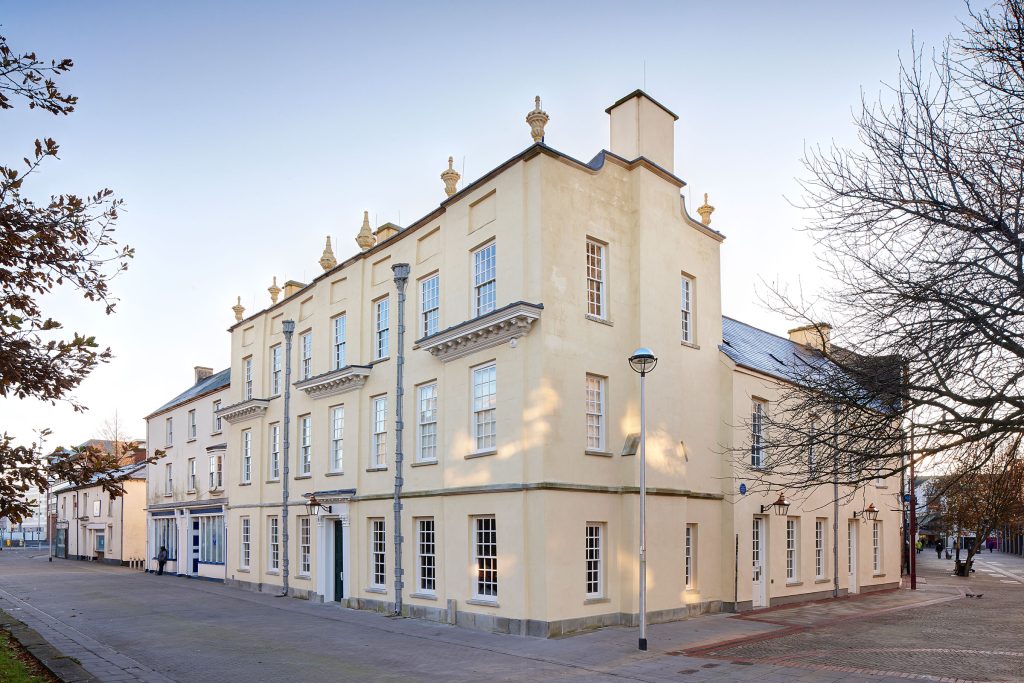
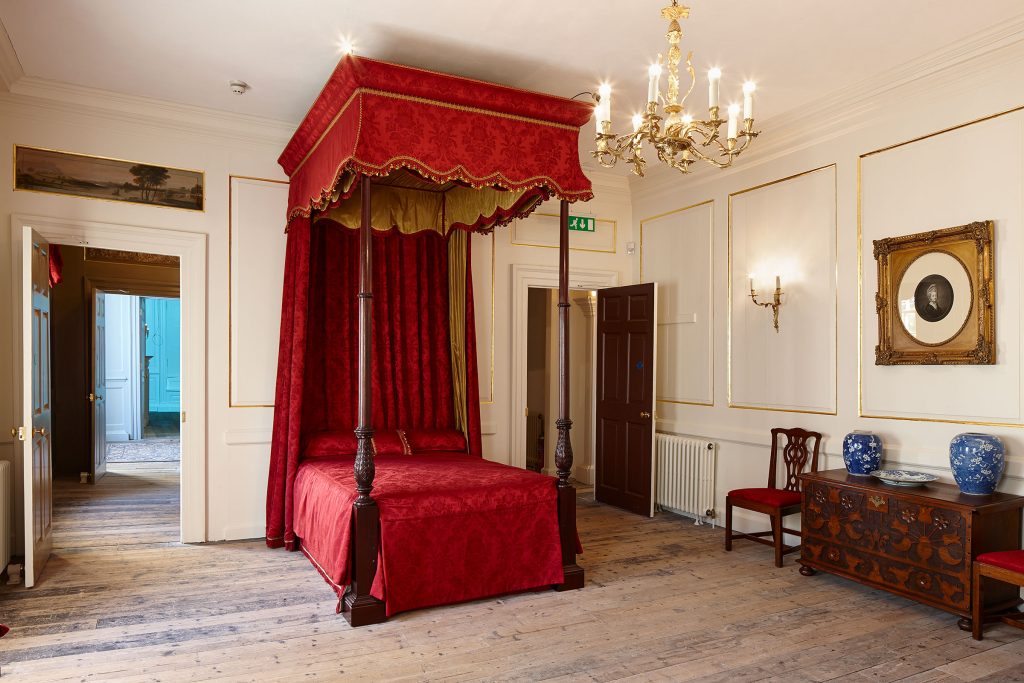
Historic places are among the most complex assets society owns. They contain evidence of the past, support contemporary communities and will, if cared for properly, continue to serve future generations.
That responsibility deserves a broader conversation than it often receives.
The first article in the series, Why Historic Places Matter to People, explores the relationship between communities and the places that help shape their identity.
I hope you’ll join the discussion.

