
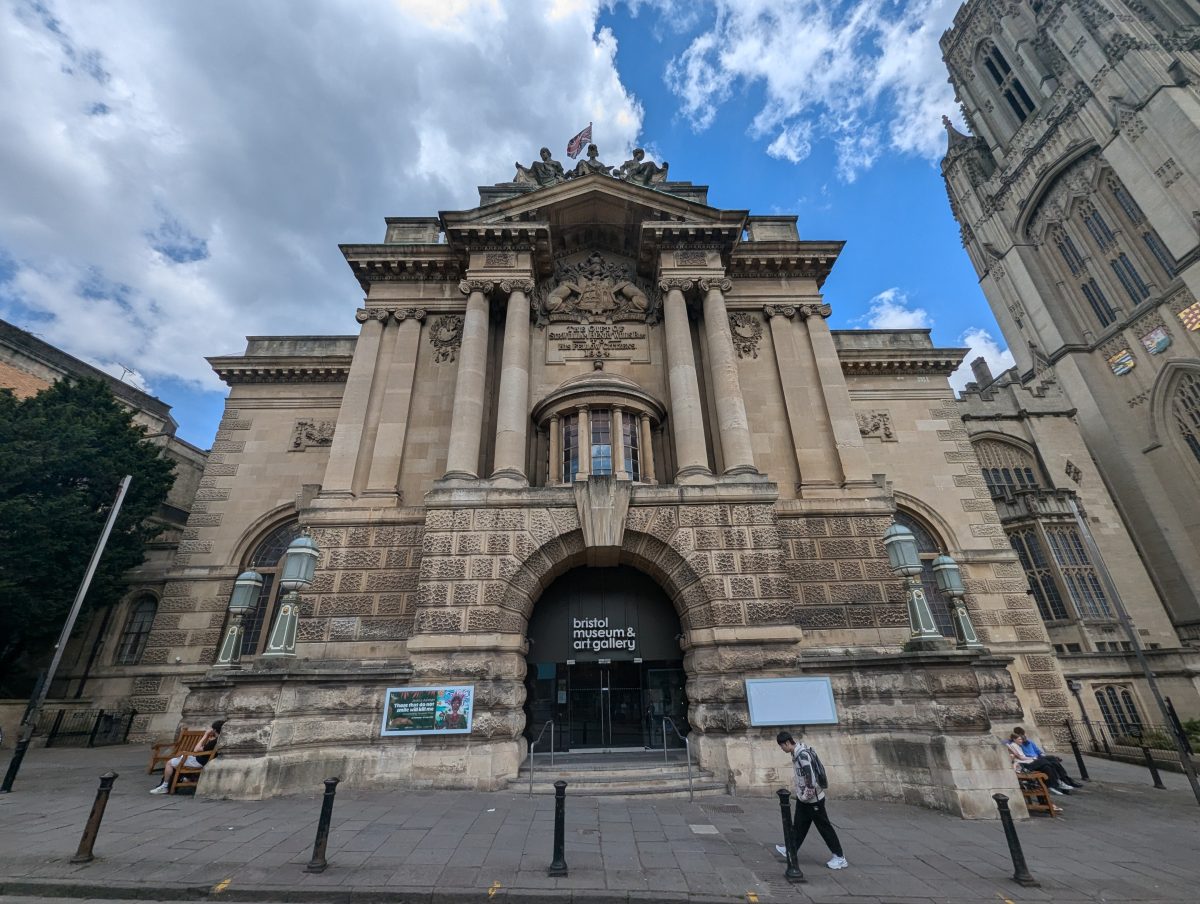
Bristol Museum & Art Gallery secures MEND round 5 funding
Bristol Museum & Art Gallery has secured £3,567,713 through Arts Council England’s Museum Estate and Development Fund (MEND) Round 5, announced on 14 April 2026. The funding will support a major programme of essential repairs to one of Bristol’s most significant civic and cultural buildings, helping protect its historic fabric, address long-term maintenance pressures and support its continued role at the heart of the city’s cultural life.
The Grade II* listed museum is an Edwardian landmark and home to nationally significant collections. Working closely with Bristol City Council, Austin-Smith:Lord supported the development of the successful funding application and prepared a conservation-led strategy focused on repairs to the external envelope and associated historic fabric.
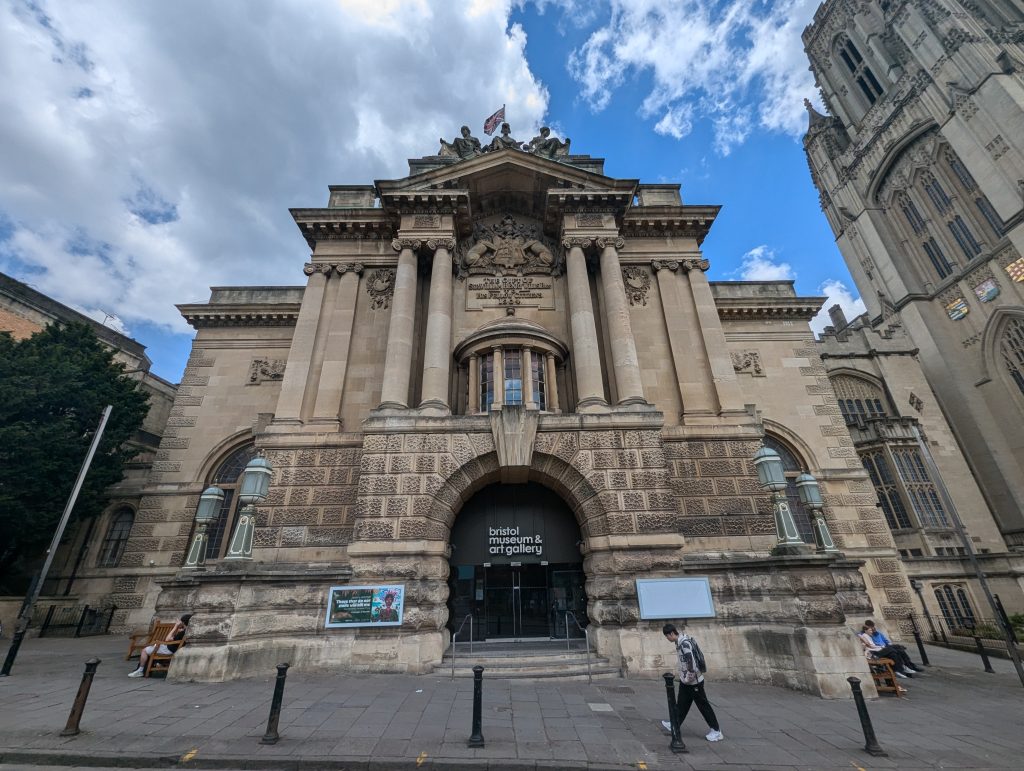
The proposed works include roof repairs and replacement, façade repairs, rainwater goods upgrades, rooflight replacement and associated conservation works to key areas of the historic fabric. This establishes a clear and deliverable approach to the long-term repair, protection and stewardship of the building.
The strategy follows a wider review of the condition and performance of the building fabric and associated building services. For such a complex and prominent city-centre site, strategic investment in the building envelope is an important step in securing the long-term condition and resilience of the building.
By prioritising repairs to the external fabric, the project helps tackle urgent maintenance backlogs, reduce the risk of further deterioration and avoid the need for more reactive, piecemeal interventions. This creates a strong platform for future phases of repair, adaptation and estate planning.
We believe some of the most sustainable buildings are the ones already standing. The retention, adaptation and continued use of historic buildings play an important role in retaining embodied carbon, extending building lifecycles and supporting a more circular and resource-conscious approach to the built environment.
For us, the project reflects a broader commitment to repair-led conservation, retrofit and the sustainable reuse of existing buildings. Through targeted intervention and long-term stewardship, historic buildings can continue to adapt and evolve while retaining the stories, identity and cultural value that make them meaningful to the communities around them.
———
Shoutout to our collaborators:
Stantec (structural engineering)
RLB (quantity surveying)
Box Twenty Consulting Engineers (building services surveys)

