Inverness Interchange: Bringing together transport, placemaking and civic design

Inverness Interchange: Bringing together transport, placemaking and civic design

Every city centre faces the same challenge: make movement easy, and make staying worthwhile.

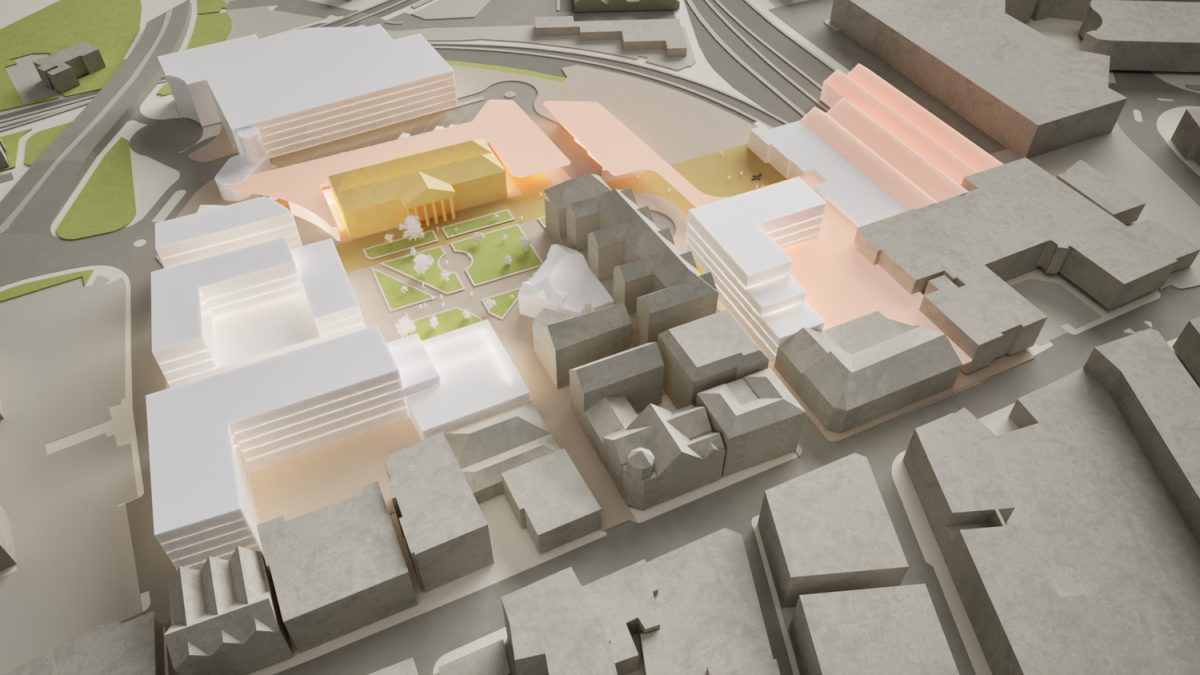
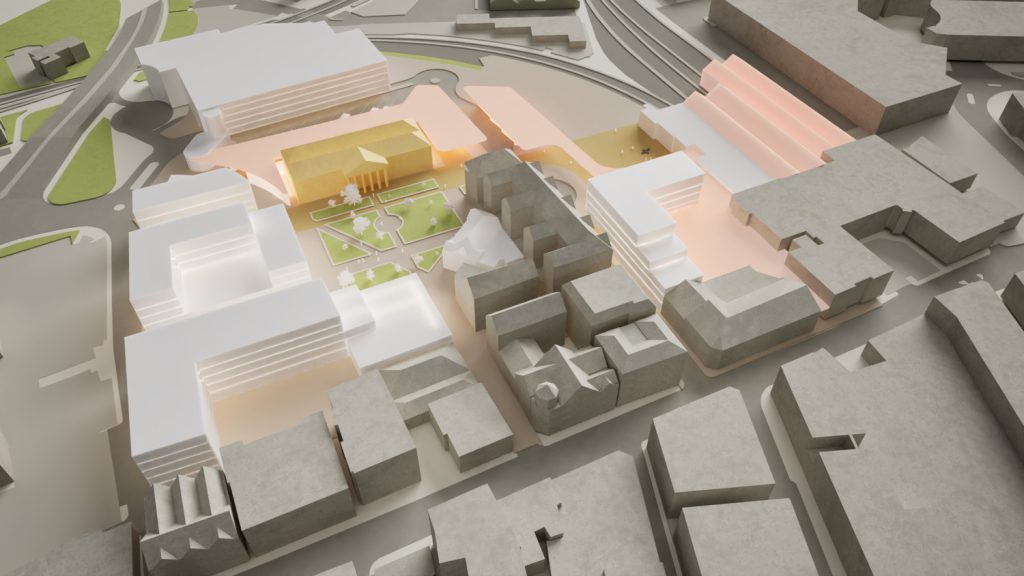
In Inverness, that challenge is shaping plans for a new transport hub and civic quarter at the Station Quarter. The project brings together transport, public space and mixed-use development to create a more connected and welcoming city centre.

Austin-Smith:Lord is working with HITRANS, The Highland Council and Network Rail / Scotland’s Railway, alongside SCP and Cameron + Ross Consulting Engineers, to develop the proposals.

Together, the team is designing a place that improves how people arrive, move and spend time in the city.

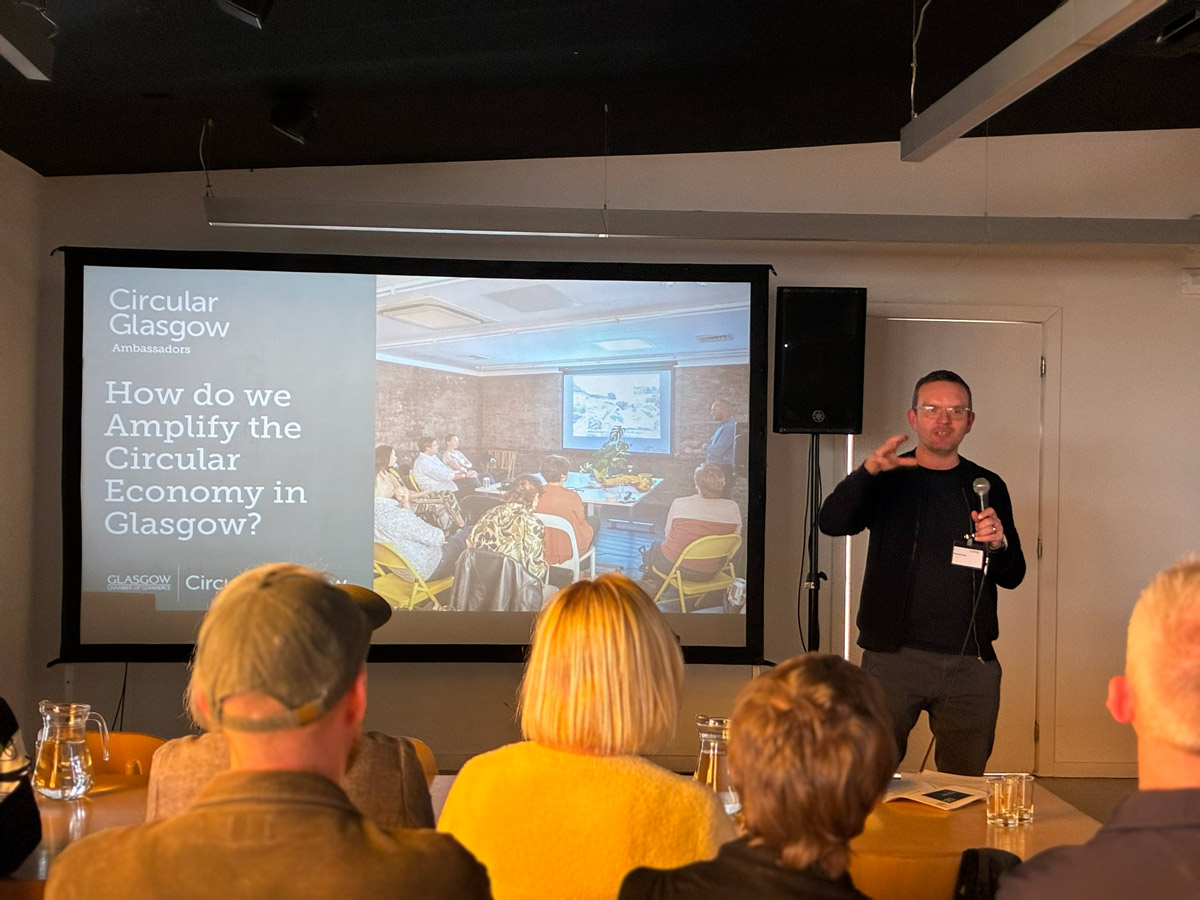
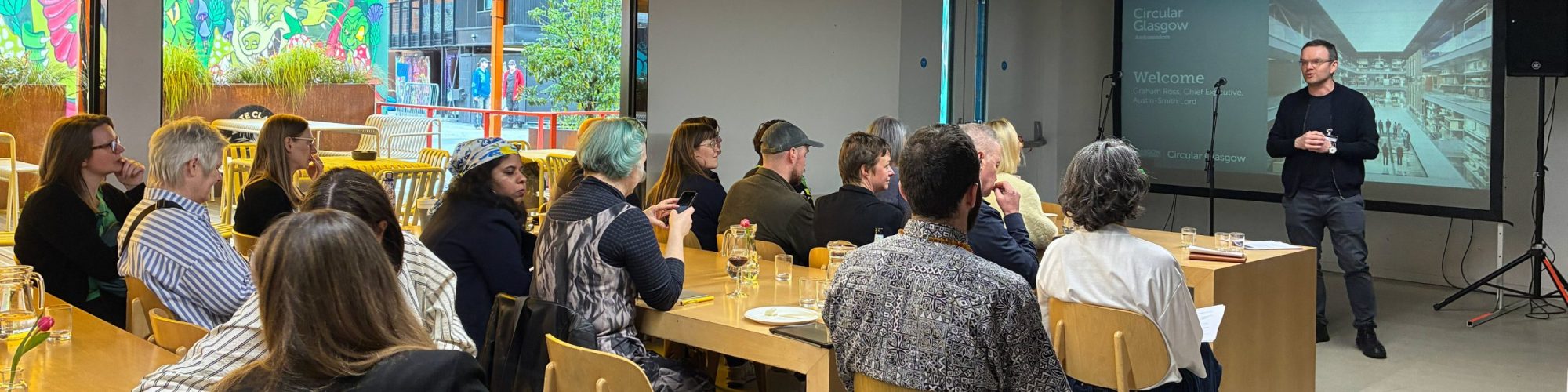
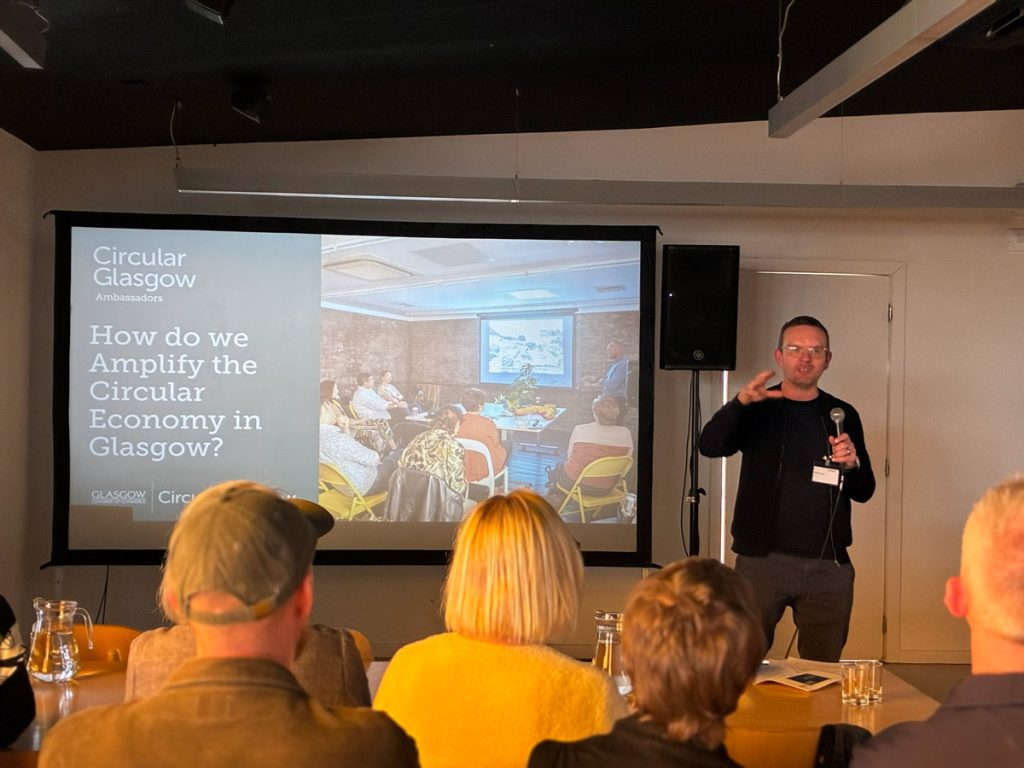
‘We want to create a place that feels like a natural hub for the city, somewhere that is attractive, convenient and genuinely enjoyable to spend time in,’ says Graham Ross, Chief Executive at Austin-Smith:Lord.


Inverness Interchange proposal

Making travel simpler and more connected

The project focuses on integrating bus and rail into a single, easy-to-use transport hub.

This is not just about infrastructure. It is about reducing friction in everyday journeys.

Many communities across the Highlands rely on a mix of transport modes. Today, those connections can feel disjointed. The new interchange aims to make them clear, direct and reliable.

Better connections will:

  • improve access to Inverness city centre
  • support public transport use
  • reduce reliance on private vehicles

Just as importantly, the design makes movement easier to understand. Routes will feel legible. Spaces will feel safe and intuitive.

‘This is about getting it right for everybody,’ Graham explains. ‘That means thinking carefully about accessibility in the broadest sense, mobility, sensory experience, and how different people use and move through the city.’

The team is designing for a wide range of needs from the outset. That includes people with mobility or sensory impairments, as well as those unfamiliar with the city. The result is a more inclusive and usable place for everyone.
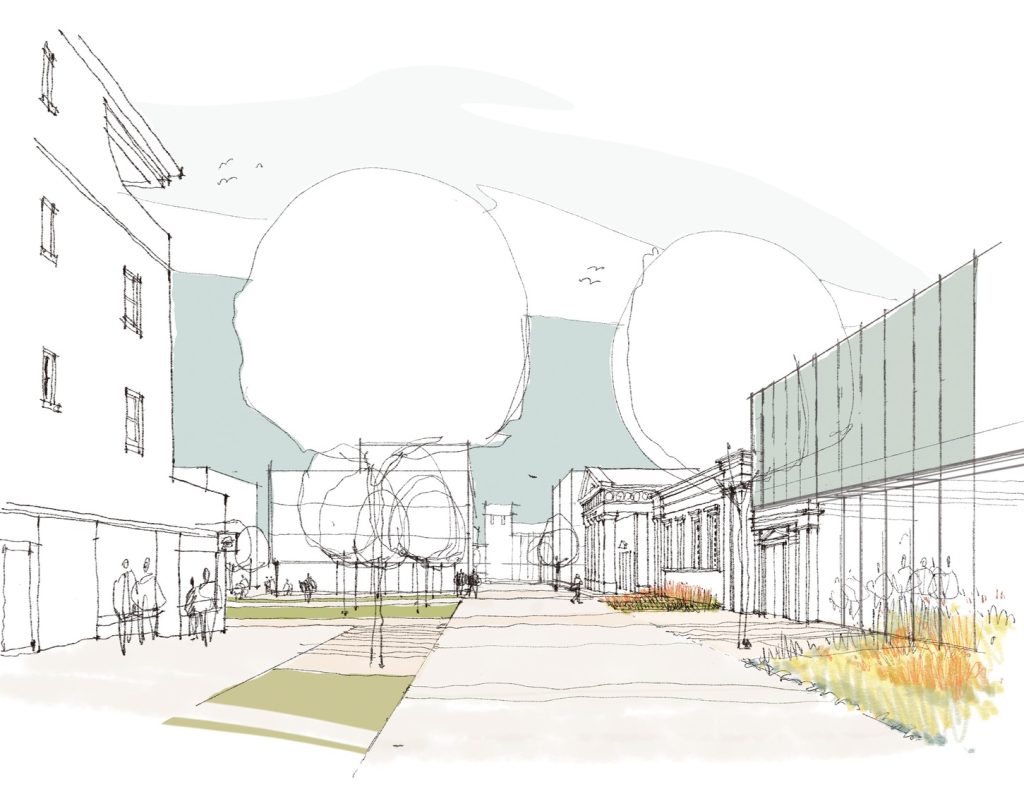
 

A civic space designed for everyday use

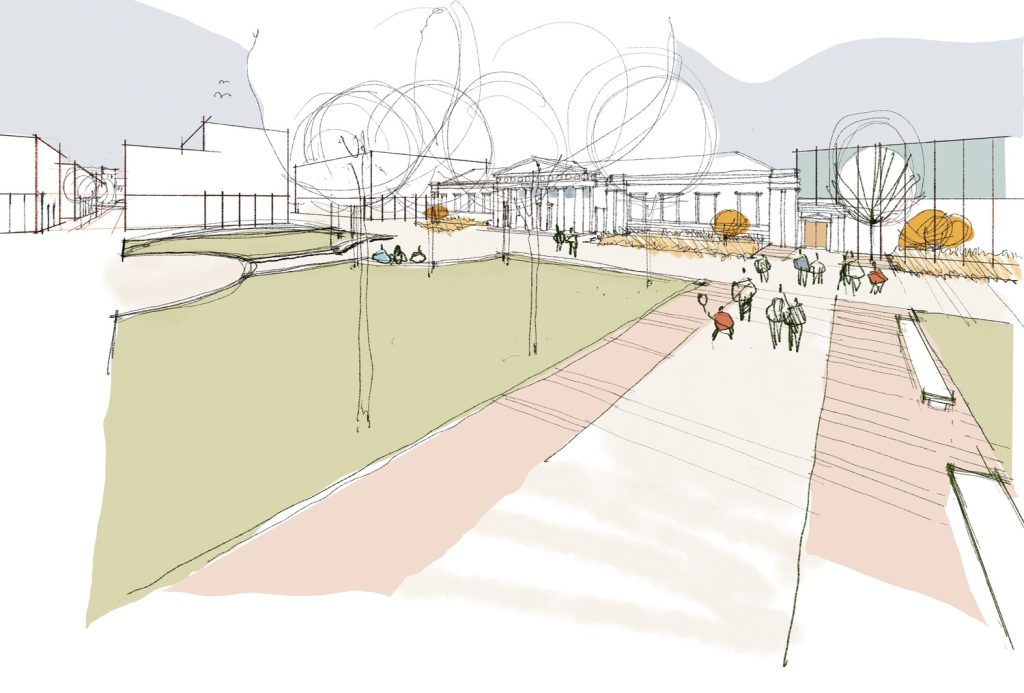
The proposals also include a new civic square at Farraline Park.

This space will act as a front door to Inverness city centre. It will support both everyday use and larger events.

The design keeps the space flexible. It can host markets, seasonal activities and public events. It can also work as a simple place to meet, pause or pass through.

‘There’s an opportunity here to create a space that Inverness doesn’t currently have,’ says Graham. ‘Something that supports everyday use, but can also come to life in different ways throughout the year.’

This flexible approach helps the space stay useful over time. It avoids over-designing for a single purpose.


Shaped by Inverness, not copied from elsewhere
The team has studied strong examples of transport-led regeneration across the UK and Europe. But the design does not copy them.

Instead, it responds directly to Inverness.

The city has a distinct identity. It acts as both a regional centre and a gateway to the Highlands. The design builds on that role.

‘There are great examples out there,’ Graham says, ‘but this isn’t about copying and pasting. It’s about understanding what makes Inverness unique, and building on that.’

This approach ensures the project feels rooted in place. It strengthens what already works, rather than imposing something new.


Taking a circular, long-term approach

The project also supports a more sustainable and resilient future for Inverness.

Better transport integration can reduce car dependency and improve access to the city. At the same time, flexible public spaces can adapt as needs change.

This reflects Austin-Smith:Lord’s commitment to taking a circular stand.

The team is designing for long-term value. That means:

  • making better use of existing infrastructure
  • creating adaptable spaces that last longer
  • supporting low-carbon travel choices

Instead of asking only what the city needs today, the design considers how it will perform over time.


Shaping the future of the Station Quarter

The wider Station Quarter will include a mix of uses. These may include homes, cultural and civic spaces, and commercial activity.

The exact mix is still being defined through consultation.

‘We don’t have a fixed view of exactly what it needs to be,’ says Graham. ‘The important thing is understanding what the city needs more of, and allowing that to shape the outcome.’

This open approach keeps the project responsive. It allows the design to evolve with the needs of the city.


A more connected and inclusive city centre

The Inverness Station Quarter is more than a transport project.

It is an opportunity to create a city centre that works better for people. A place that is easier to reach, easier to move through, and more enjoyable to spend time in.

By bringing together transport, placemaking and civic design, the project aims to support everyday life while building long-term value for the city and its communities.

Maelfa Community Living development is another step closer to completion

Our Maelfa Community Living development is another step closer to completion

In collaboration with Cardiff Council & Wates, our design team is hard at work on an exciting new residential development designed to help residents live independently within their own homes, supported by high-quality communal facilities.

The scheme comprises of 41 fully accessible and sustainable one and two-bedroom Apartments. Beyond the individual homes, the ground floor serves as the communal heart of the building, providing activity spaces, staff facilities, a flexible medical room, and a beautifully landscaped communal garden designed for socialising and support.

The entire project team is incredibly excited with the progress being made on site as we begin to see this important addition to the positive transformations of the local area take shape.

The scheme is designed to provide shared spaces, from small seating areas on each floor that overlook the light-filled atrium to the shared external garden space. The design focuses on nurturing a sense of pride and community and will open up daily opportunities for social encounters and well-being.


Located in the heart of Llanedeyrn, residents have local amenities on their doorstep, with the Wellbeing Hub, shops and services within walking distance and excellent links via Cardiff buses.

This project is being delivered via Cardiff Living, an award-winning development partnership between Wates Residential and the City of Cardiff Council. This ambitious programme is set to deliver 1,700 new homes across 40 sites in Cardiff over a 10-year period, and Maelfa is a proud addition to this expanding portfolio of high-quality, sustainable homes.


Congratulations to everyone involved:

Clients:  Cardiff Council, Wates Residential
Structural Engineers:  Curtins
M&E:  Hicks Titley Partnership
Light Metal Frame:  Atkin Trade Specialists
Landscape:  TIR Collective
Planning:  LRM Planning
Civil Engineer:  Quad Consult

Planning approval granted for 54 new affordable homes at Soulbury Road in Leighton Buzzard

Planning approval granted for 54 new affordable homes at Soulbury Road in Leighton Buzzard

We’re pleased to share that planning has been granted for 54 new homes at Soulbury Road in Leighton Buzzard, delivered in partnership with Peabody.

This has been a three-year journey shaped by collaboration, persistence and a shared ambition to create something that genuinely works for the people who will live there.

Rather than treating landscape as an afterthought, the scheme has been designed as a living environment. A central green spine connects homes to one another and to nature, with play, biodiversity and sustainable drainage integrated into the everyday experience of the place.

The homes themselves have been designed with future residents in mind, prioritising comfort, energy performance and long-term resilience. By embedding Passivhaus principles from the outset, the scheme has the potential to deliver warm, healthy homes with lower running costs.

Projects like this remind us that affordable housing should never mean compromise. It can be generous, thoughtful and rooted in its setting.

You can read more about the project and our approach in our blog article.

Progress Update on Old College, Aberystwyth

Progress Update on Old College, Aberystwyth

Austin-Smith:Lord has worked with Aberystwyth University to preserve the iconic building of Old College, whilst re-imagining it as a vibrant heritage and cultural attraction that will educate, engage, and stimulate enterprise and research; a project that will deliver major socio-economic benefits for both students and the wider community by throwing open Old College’s doors to enrich lives and stimulate learning across all ages and user groups. Old College, Aberystwyth was the first constituent college of the University of Wales and as such is intrinsically linked with the development of higher education in Wales and of enormous cultural significance.

Following along with Aberystwyth University’s series of restoration updates on the Old College, please find links to the full articles below:

https://www.aber.ac.uk/en/oldcollege/news/news-article/title-282110-en.html

https://www.aber.ac.uk/en/oldcollege/news/news-article/title-282081-en.html

Choosing the colours for the Georgian Villas
During the last week of June, work started on the painting of the Georgian Villas. Chocolate brown and a soft taupe were chosen for Villa 1 in addition to a creamy off-white for Villa 2. The paint used was mineral based by the German manufacturer Keim which has been selected to withstand the seaside climate of the promenade while allowing the building to breathe. Conservation Architect, Matthew Dyer proposed the colour scheme based on research of the early twentieth century with the approval of the local authorities.

As part of this project which looks to transform the Old College into a cultural and creative centre, the villas are being carefully restored to become the main entrance from the Promenade and will include a restaurant, bar and office space. Owing to the numerous changes to the Old College and the villas over the past 200 years, understanding their history informs the nature of the restoration work.

Matthew Dyer explains: “During the project, we have referred to paint analysis reports, historic photographs which we have colourised and also information we have found as we have removed layers of paint to undertake repairs. The scheme selected represents the appearance of the villas when they were finally taken into University ownership in 1919.”

The Old College project is supported by The National Lottery Heritage Fund, the Welsh Government and the European Regional Development Fund, UK Government, the Coastal Communities Fund, The National Lottery Community Fund, philanthropic trusts and individuals.


Preserving the Chimneys
Chimneys are fundamental to the skyline of Old College and their restoration is key to preserving its structural integrity. There are 17 chimney stacks across the North and South Seddon, and Ferguson blocks completed in the 1890s, several include as many as 12 flues from open fireplaces and boilers inside the building.

Over the years, salt has penetrated the porous sandstone and limestone which has gradually corroded their fabric. The poor quality of construction work on some of the chimneys built before the 1870s has intensified the situation and the inferior quality of the stone. The lack of flue liners on others, that would have protected them from the effects of smoke, has added to their challenge of their restoration.

Additionally, the use of cement, rather than lime mortar and plaster to repair some of the damage, has prevented the stone from breathing. The seagull nests have also caused further complications.

As a former hotel, four chimneys on South Seddon served as individual fireplaces in the rooms below. The University’s redevelopment of South Seddon into a science block after 1885 implemented a boiler and an early form of central heating. The chimneys were removed, though some of their workings were retained to provide air circulation.

Open fireplaces were also utilised in the Professors’ studies on the King Street side of the Quad that were built after the great fire of 1885. These fireplaces supplied three four-meter-high chimney stacks that are in the process of being rebuilt, along with another on South Seddon.

As many of the quarries that provided stone in the second half of the 19th century are no longer in use, 15 new samples have been sourced to match as closely as possible to the original stone and their ability to withstand the prom’s coastal environment. The final selection has been approved by the local planning authority and CADW.

Matthew has explained that retaining the chimneys is key to preserving the architectural integrity of the Old College and part the building’s Gothic expression.

Architectural Workshop in Kyparissia, Greece

Architectural Workshop in Kyparissia, Greece

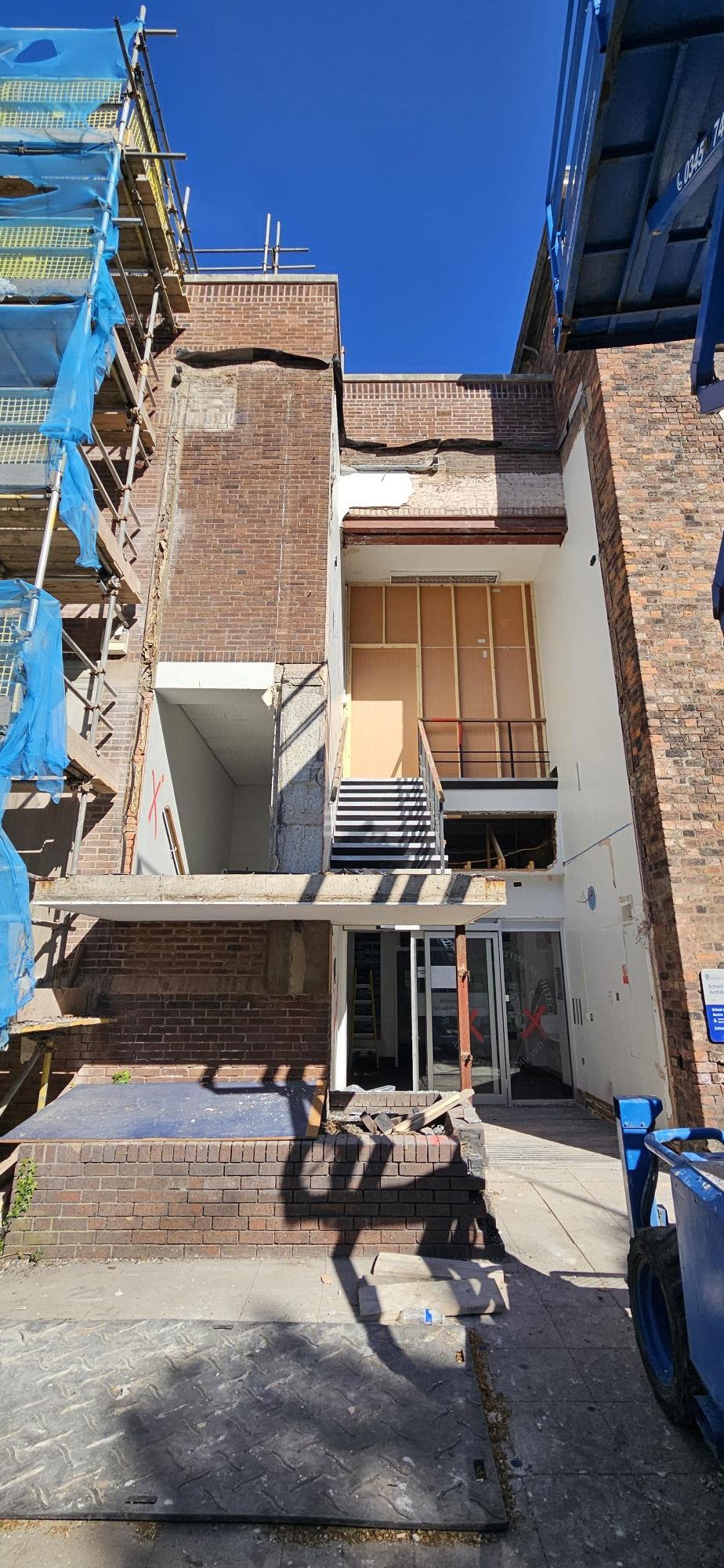
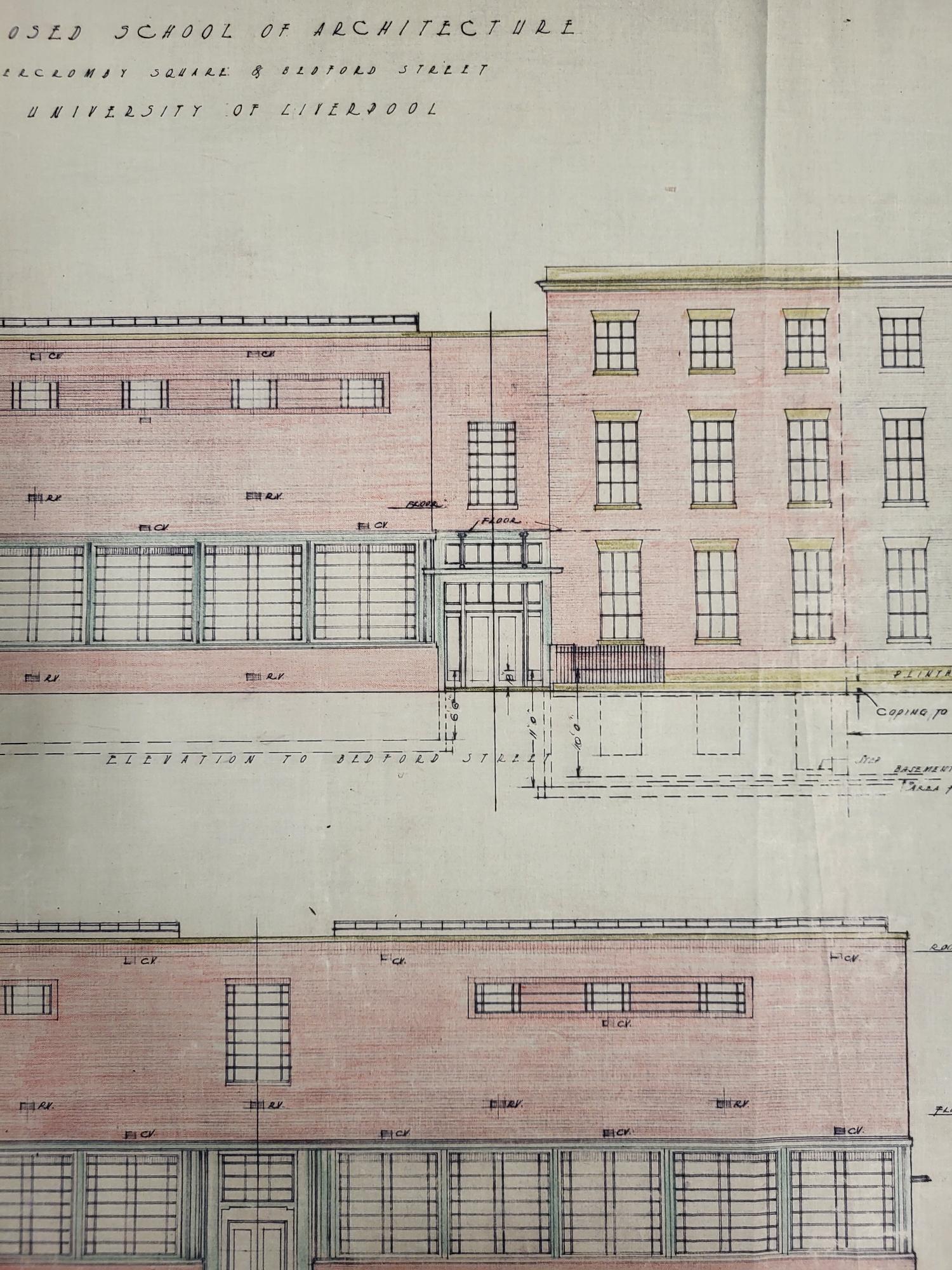
Róisín Hanlon in our Liverpool office has recently returned from running a workshop in Kyparissia, Greece which created an outdoor teaching area and garden for and with a local school.

Designed and built by students from the University of Liverpool, the teaching area utilised renewable and recycled materials, and used traditional vernacular building methods. This unique experience has enabled the students to obtain hands-on experience and to put what they have learnt within the studio into a real-life scenario.

Planning Application Submitted for New Secondary School Near Neath

Planning Application Submitted for New Secondary School Near Neath

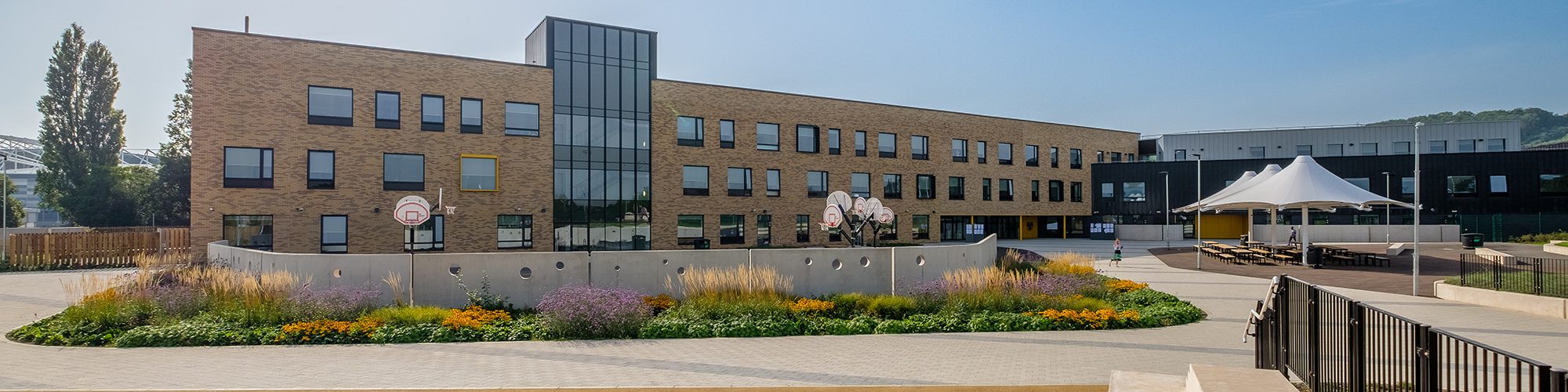
Austin-Smith:Lord is pleased to confirm the submission of a planning application for a new replacement 6FE secondary school, Llangatwg Community School, located just outside Neath. Commissioned by Neath Port Talbot Council, the project is set to deliver a high-quality, future-ready learning environment that reflects the latest in sustainable and inclusive design in line with the new Welsh Curriculum. The new school will offer enhanced facilities for students, staff, and the wider community, supporting educational excellence in the region. Also included is a new Learning support centre for pupils with autism which is designed to allow pupils to integrate into the mainstream school when appropriate and experience the extensive facilities such as flexible laboratories, roof terraces, performance hall, vocational workshops and activity studio.

The school will meet the Welsh Government’s Sustainable Communities for Learning funding requirements including Net Zero Carbon in Operation and with an embodied carbon target of 600kgCO2/m2

Progress Update: St Helens Transport Interchange

Hall-St-Bickerstaff-St-Render

Progress Update: St Helens Transport Interchange

Austin-Smith:Lord are really proud to be working on the St Helens Interchange project, which sets out to deliver a contemporary, efficient transport hub that puts people first. Envisioned as a welcoming gateway to the town, the scheme prioritises pedestrians and active travel, creating a greener, more accessible environment that encourages longer visits and greater footfall in the town centre.

The development strengthens connections between St Helens and the wider region, featuring two main public concourses with associated bus stands, a dedicated travel shop, Merseytravel staff facilities, and comfortable passenger waiting areas. By transforming this key arrival point, the Interchange will not only enhance the transport experience but also contribute meaningfully to the regeneration of the town centre.

Student Work Experience Spotlight – Ethan Thomas

Social Media Image

Student Work Experience Spotlight – Ethan Thomas

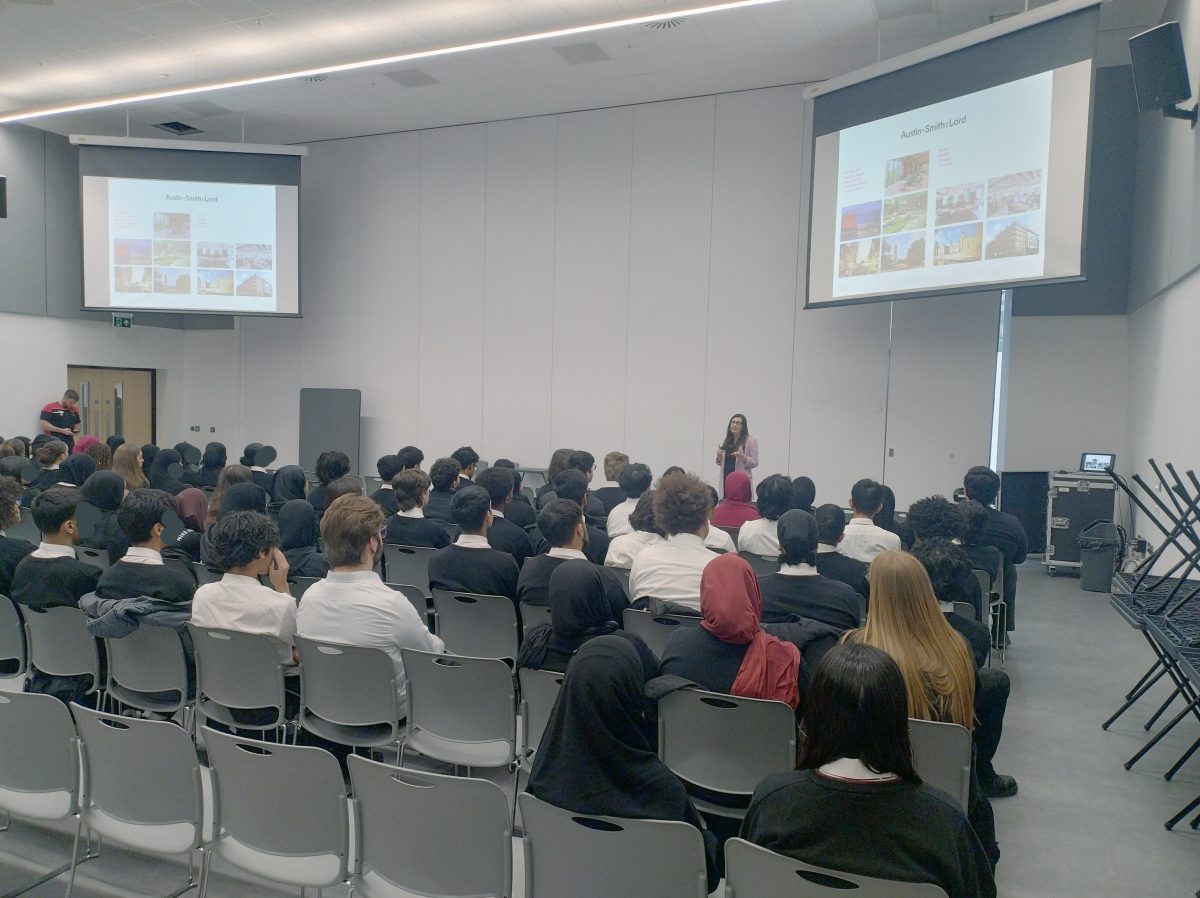
Over the past four weeks, we’ve had the pleasure of hosting architecture student Ethan Thomas in our studio. During his time with us, Ethan has been immersing himself in our projects and culture — and he’s shared some thoughtful reflections on his experience below.

We are passionate about nurturing the next generation of designers through hands-on learning, mentorship, and open knowledge sharing. Supporting life-long learning is at the heart of what we do.

Thanks for your great work, Ethan — we wish you all the best in your studies! 👏

Big thanks too to Bouygues for facilitating Ethan’s site visit to Carmarthen Hwb

Student Work Experience Spotlight – Ethan Thomas

“Since undertaking work experience at Austin-Smith:Lord, I have found it to be incredibly beneficial to my development as an architecture student. The experience has provided me with valuable insight into real-world practice, particularly in the way design is approached within the industry. I’ve learned to place greater emphasis on spatial planning and functionality, adopting a more pragmatic and realistic perspective that complements my academic learning.

I was given the opportunity to work on a live brief – designing a student accommodation scheme for a site the firm had previously been involved with. I also had the chance to attend conference meetings with teams from different studios across the UK, which gave me a broader understanding of the scale and diversity of projects the practice undertakes.

A particular highlight of my experience was a site visit to the Carmarthen Hwb project. Seeing a live project under construction was invaluable, allowing me to better understand how design decisions translate into real-world outcomes.

I thoroughly enjoyed my time at ASL. The team was incredibly welcoming, supportive, and generous with their knowledge. This experience has been instrumental at this stage of my architectural journey, and I am sincerely grateful for the opportunity. It has enriched my understanding of the profession and inspired me further in my studies.”

V&A East Storehouse is Now Open!

Social Media V&A

V&A East Storehouse is Now Open!

We’ve been caught up in the excitement since the V&A Storehouse opened at the end of May and it’s clear we aren’t alone. It was a privilege to collaborate with Diller Scofidio + Renfro on a project that puts culture, conservation, and curiosity at its core; a bold new space offering behind-the-scenes access to the V&A’s incredible collections.

Another big congratulations to everyone who helped bring it to life.

Victoria and Albert Museum
Diller Scofidio + Renfro
Arup
Gardiner & Theobald LLP
Colliers Project Leaders | Canada
Jon Williams
ORSA
Hoare Lea
McLaughlin & Harvey Ltd

A Warm Welcome To Madhu Babu

Madhu Babu_Headshot-Enhanced-SR

A Warm Welcome To Madhu Babu

Our work in placemaking, urban renewal and blue/green infrastructure continues to grow and we are delighted to welcome Madhu Babu to the practice, to further strengthen the Landscape and Urban Design team.

Madhu is a lively and talented Landscape Architect with experience in a wide range of sectors and scale of project.

Madhu, based in our Liverpool studio, is working with teams across the practice on masterplanning, regeneration, residential, transport, active travel and life sciences.

Great to have you on board Madhu. We are excited to see what the future holds!