April is World Landscape Architecture Month!

world landscape architecture month

April is World Landscape Architecture Month!

By Siobhan Vernon, Head of Landscape Architecture

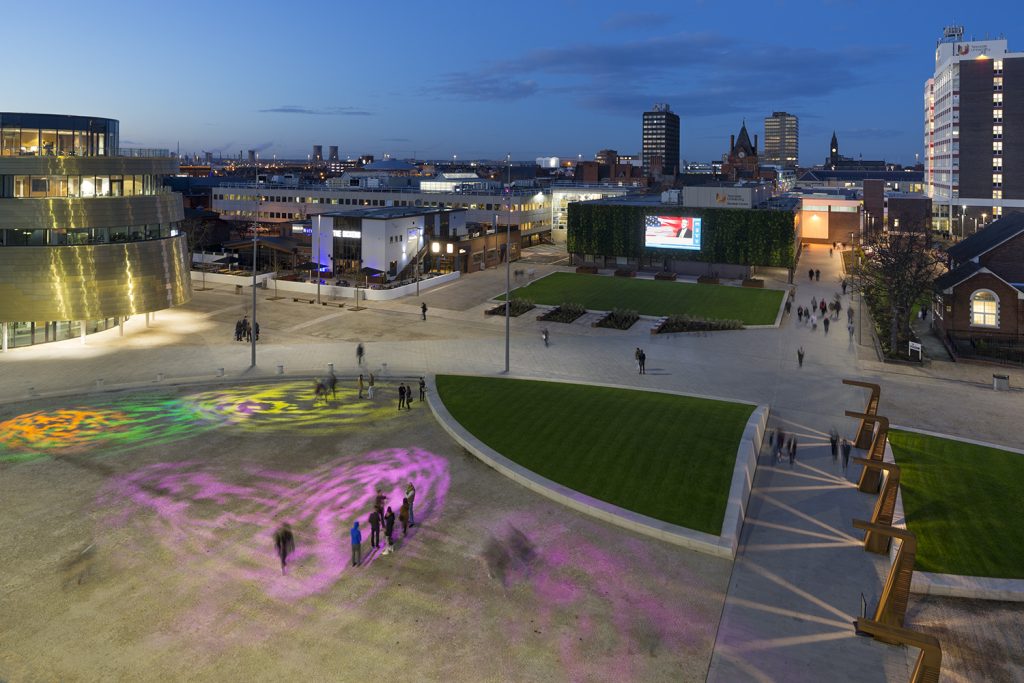
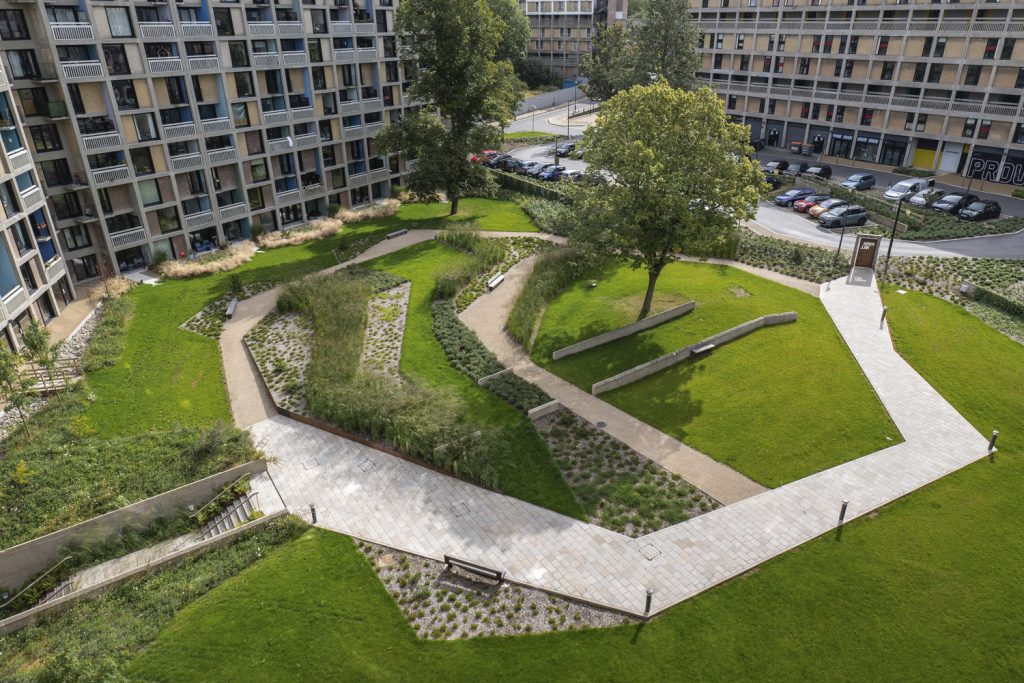
World Landscape Architecture Month is a chance to reflect on the role landscape architects play in shaping healthier, greener and more resilient places.

At its core, landscape architecture is about thoughtfully arranging natural and built elements to create environments that people inhabit and experience every day. It influences how we move, connect, rest, play and belong.
 

Landscape architecture creates a stage set for life

There’s a powerful connection between landscape architecture, filmmaking and storytelling. While landscape architects design physical spaces, filmmakers craft visual worlds that audiences emotionally occupy. In both, space is never neutral; it directs movement, evokes feeling and shapes a narrative.

Importantly, both disciplines focus on human experience, considering how people perceive, navigate and respond emotionally to their surroundings.

Interestingly, many fictional, cinematic worlds are built around principles landscape architects advocate for every day: walkability, green infrastructure, intuitive movement and people-first public space.

Sometimes, the worlds we imagine on screen reveal what we value most in the real one. Take family-friendly films like Matilda (1996) and Paddington (2014). These stories depict softened versions of everyday urban and suburban life: calm streets, minimal and courteous traffic, and neighbourhoods where homes, schools and amenities feel easily accessible. They imagine places that prioritise people over vehicles and make active travel feel natural.

In Winnie-the-Pooh, the Hundred Acre Wood offers almost barrier-free movement, playful navigation and natural landmarks woven into the landscape. It feels intuitive, connected and deeply rooted in nature, much like the green infrastructure and biodiversity-led environments landscape architects strive to create.

And in Zootropolis (2016), the city is designed to accommodate animals of vastly different shapes and sizes, offering full mobility to a wide range of needs. With hyper-efficient mass transit, adaptable infrastructure and spaces designed for social interaction, it presents a vision of inclusive, integrated urban design.

 

Where imagination meets placemaking

These cinematic environments often reflect ideas that matter deeply in real-world placemaking:

  • Walkable environments
  • Playable cities
  • Shared or car-free spaces
  • Green infrastructure and biodiversity
  • Intuitive, accessible circulation
  • Continuous, free-flowing spaces
  • Integrated public transport
  • Long-term resilience and adaptability

These imagined places convey freedom, imagination, belonging and autonomy. They allow inhabitants to navigate spaces independently and confidently, which are qualities many adults would welcome in public space too.

They also prioritise what many real places need more of: less reliance on cars, more room for nature, better public transport and spaces designed with long-term resilience in mind.

At Austin-Smith:Lord, we believe landscape architecture has the power to create places that are not only beautiful, but resource-wise, resilient and built for future generations.

Because the best places, whether imagined or real, are designed for life – for people, place and planet.

Which cinematic world do you think gets it right?
Everyone deserves access to quality living spaces

Soulbury Road development

Everyone deserves access to quality living spaces

Affordable housing should never mean lower expectations.

It should mean warm homes that are genuinely affordable to run. Streets where children can play safely. Landscapes that belong to their setting. Neighbourhoods that feel rooted rather than imposed.

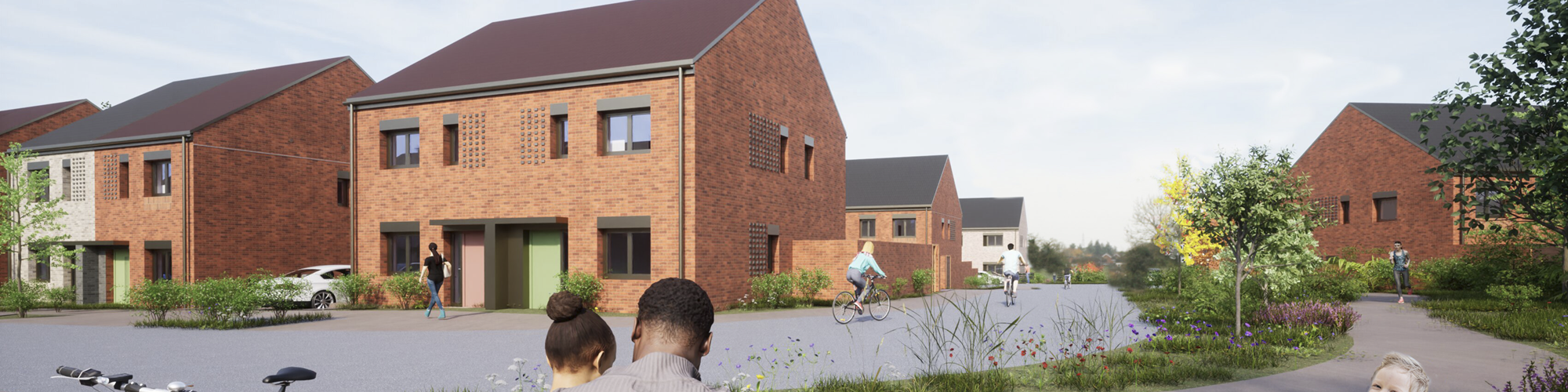
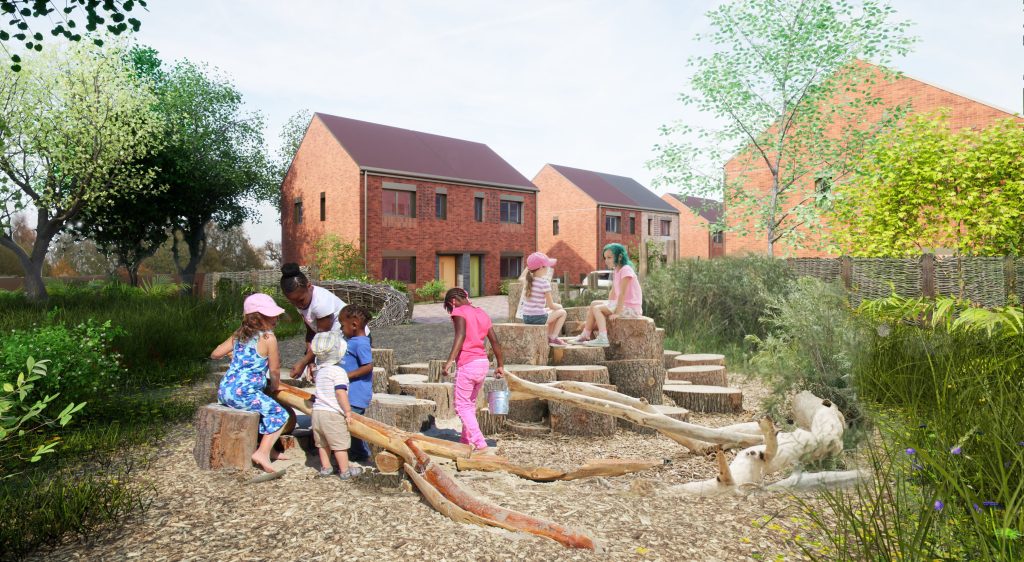
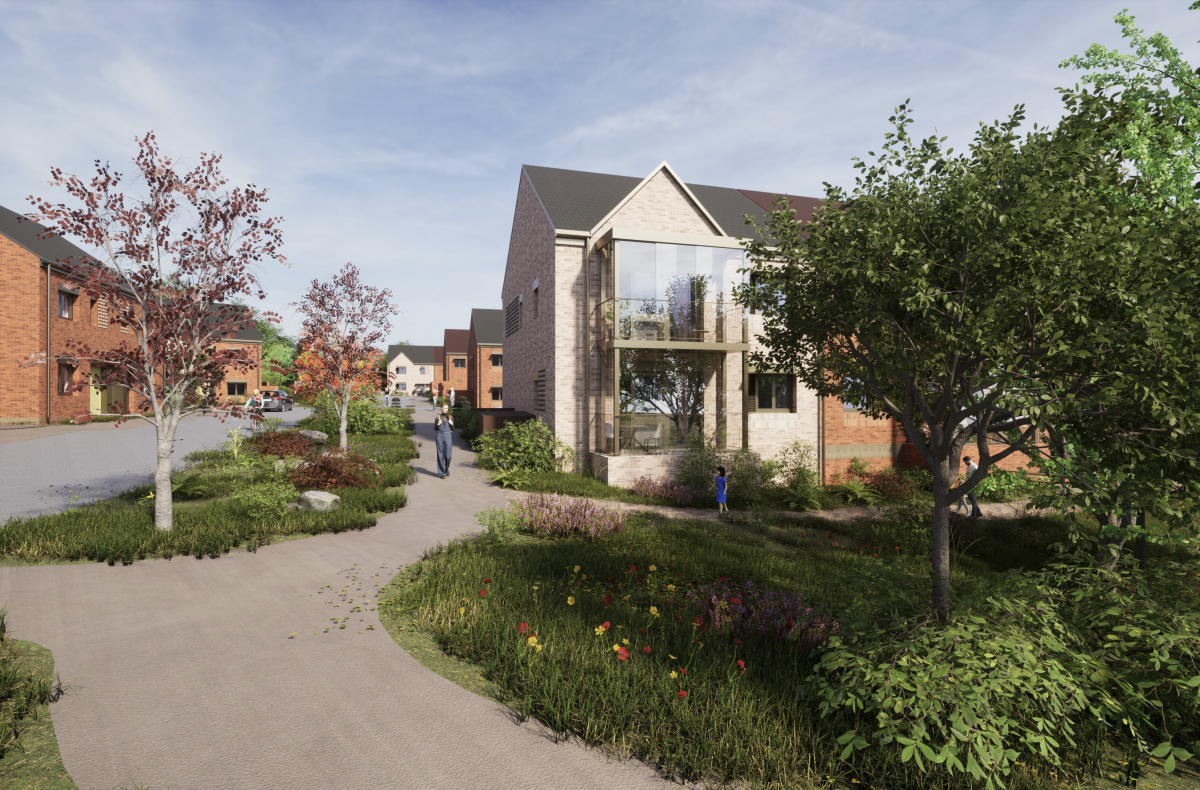
At Soulbury Road in Leighton Buzzard, planning approval has been secured for 54 new homes designed around exactly that principle. High-quality, sustainable housing – designed first and foremost for the people who will live there.


A neighbourhood shaped by landscape

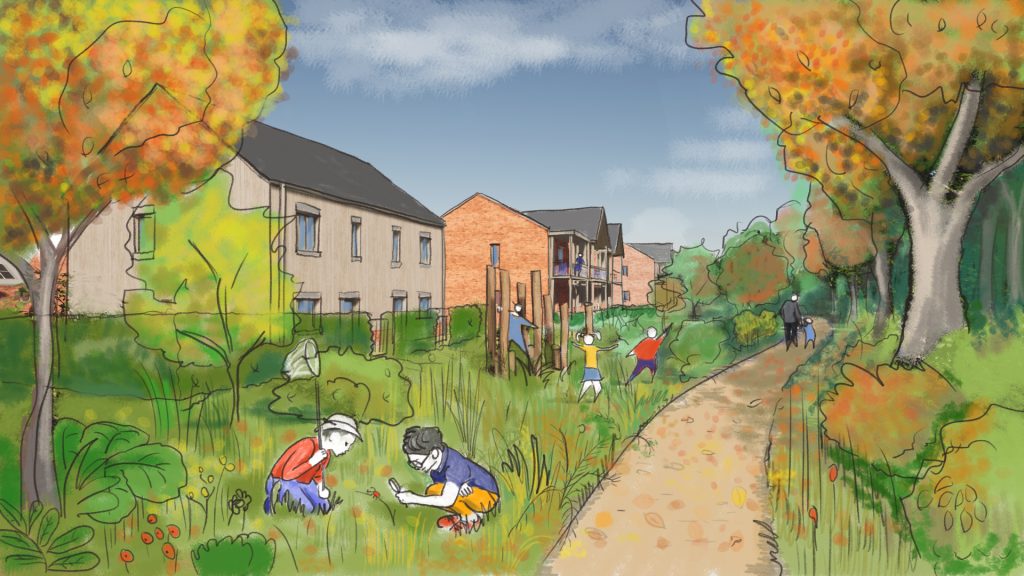
From the outset, the ambition was to create a living landscape rather than a conventional housing estate. Located alongside Linslade Wood and within sight of the Chiltern Hills, the scheme has been carefully shaped by its setting. Existing hedgerows are preserved and woven into the layout. A central green spine connects homes to one another and to nature. Long views are protected and celebrated.

The landscape is not decorative. It structures everyday life.

Children will grow up with access to a dedicated nature play area that feels like an extension of the woodland rather than a fenced-off afterthought. Residents will move through green routes that manage water naturally through visible sustainable drainage features, strengthening biodiversity while reducing pressure on wider infrastructure. Swales and an attenuation pond are not hidden engineering solutions. They form part of the character and identity of the place.

This is placemaking through ecology, where environmental performance and social wellbeing reinforce each other.

Character and identity

The homes at Soulbury Road are designed to feel like a natural part of the community. Drawing on the character of Leighton Buzzard’s historic streets, the use of traditional red brick paired with buff brick accents creates a neighbourhood that sits comfortably within its surroundings while retaining a clear sense of identity.

Rather than a uniform streetscape, subtle variations in brick tone and detailing introduce richness and depth. The result is a cohesive neighbourhood that avoids repetition and allows each home to feel distinct. This creates a sense of individuality and pride of place for every resident.


The design approach at Soulbury Road focuses on creating homes that feel rooted in their setting while supporting the everyday lives of the people who will live there. By responding to the character of the surrounding area and carefully shaping the streetscape, the scheme aims to create a neighbourhood where residents can feel a strong sense of belonging from the outset.”

Tanya Simenova, Associate & Senior Architect, Austin-Smith:Lord


Comfort without compromise

Inside each home, comfort and long-term resilience have been prioritised just as carefully.

The homes have been designed using Passivhaus principles, supported by in-house PHPP modelling throughout the design process. Orientation, form and window placement have been carefully tested and refined to maximise daylight, reduce energy demand and support long-term comfort for residents

This approach ensures the scheme is Passivhaus-ready, creating the potential for delivery to full Passivhaus standards should viability allow.

There is a persistent misconception that strict environmental standards and affordable housing sit at opposite ends of the spectrum, that one must be sacrificed for the other. Soulbury Road challenges that assumption.

By embedding environmental performance into the architecture from the earliest stages of design, the scheme demonstrates how thoughtful design decisions can support affordability as well as sustainability. Lower energy demand can translate into lower running costs, while high levels of comfort support residents’ wellbeing.

For residents, that means dignity and security.

For housing providers and local authorities, it means housing that is better prepared to meet future environmental expectations.

Collaboration with conviction

Securing approval for Soulbury Road has been a three-year journey of collaboration and persistence.

As requirements evolved, the design evolved with them without losing sight of the principles that underpin the scheme. Close partnership with Peabody and the wider consultant team ensured that sustainability ambitions, commercial realities and community needs remained aligned. Adaptability was essential, but so was conviction. Affordable housing demands the highest levels of design intelligence and care to ensure it is successful, sustainable, and delivers against the fundamental objective of affordability.

This is collaborative design in practice. Transparent. Evidence-led. Resilient.

Designed for long-term value

Soulbury Road reflects a circular way of thinking about housing. Decisions were made not simply to meet immediate planning thresholds, but to support long-term stewardship environmentally, socially and economically.

Landscape, infrastructure and architecture operate as one system. Resources are used wisely. Waste is minimised. Value is maximised over time, not just at completion.

Planning approval is an important milestone. The real measure of success will come later. In the quiet consistency of low energy bills. In children playing under trees. In neighbours meeting along the green spine. In a community that feels connected to its setting rather than separated from it.

Soulbury Road stands as a reminder that social and affordable housing can and should be generous, landscape-led and future-facing.

Because everyone deserves access to quality living spaces.