World’s largest mobile chemotherapy unit now complete

Tenovus Cancer Care

World's largest mobile chemotherapy unit now complete

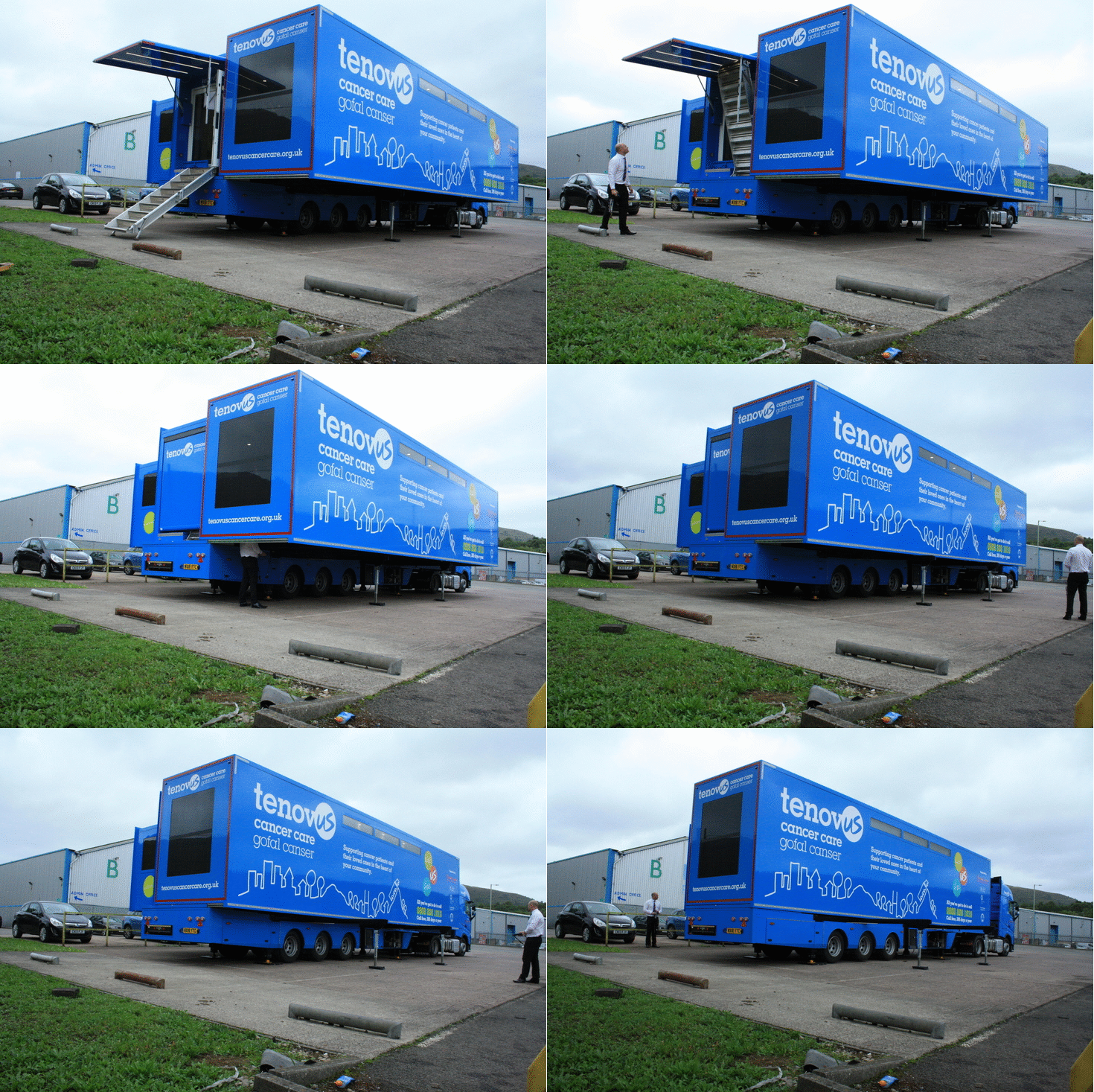
Staff from Austin-Smith:Lord’s Cardiff office made a visit to the recently completed mobile chemotherapy unit for Tenovus Cancer Care, to see first-hand how our design is offering the best possible treatment for patients in South Wales.

The new design uses biophillic elements, large dimmable lights, and flexible partitions to create a relaxing and enjoyable space, which not only creates a relaxed and enjoyable atmosphere, but also aims to aid their recovery journey.

The staff were also shown how the unit is packed away and stored after each day, ready to move onto its next venue.

Big thank you to Andrew and Ashley from Tenovus Cancer Care for being so helpful and taking the time out of their day to show the staff around the new unit.

You can find out more about the project at this link.

Funding announced for Penicuik Town Centre

Penicuik Town Centre

Funding announced for Penicuik Town Centre

The National Lottery and Historic Environment Scotland have approved a £2.6 million funding package to help regenerate Penicuik town centre. The funding will support improvements to historic buildings and public spaces, along with a wide range of community activities and training opportunities for local people.

In a five-year project launching next month, Midlothian Council will work with local groups including Penicuik Community Development Trust and Penicuik First, to help reinvigorate the town centre. The council has already committed to investing £460,000 in street improvements in Penicuik High Street, with work expected to start on site in the autumn.

The initial works, which will include widening the pavement and reducing the width of the road, will focus on the junction of High Street, West Street and The Square.  The aim is to make the area safer for pedestrians while improving traffic flow, as well as making overall improvements to the town centre.

Austin-Smith:Lord, in collaboration with Douglas Wheeler Associates, were appointed to assist Midlothian Council in preparing the funding application necessary to enable Stage 2 submission to the Heritage Lottery Fund under the Townscape Heritage Programme. The Penicuik Heritage Regeneration Project included several community consultation events which fed into the development of the proposals.

David Millar, Head of Conservation at Austin-Smith:Lord said it is rewarding to see that the work our conservation and landscape architects undertook, in assisting Midlothian Council in their HLF stage 2 application, has resulted in this significant investment for the community within Penicuik. We look forward to seeing the impact of the initial project, namely the public realm improvements around the historic core of the town, and we hope that triggers some of the building owners to come forward and take up the offer of grant support for building fabric repairs.”


This funding announcement follows on from the recent Penicuik ‘A Town Hall for All’ project, led by Austin-Smith:Lord, which took place this summer.

‘A Town Hall for All’ went on to feature in the critically acclaimed ‘Scotland + Venice: The Happenstance’, as one of seven projects from across Scotland showcased at this year’s International Architecture Exhibition of La Biennale di Venezia in Venice.

Partick Bus Station Reopens After Redevelopment

Partick Interchange

Partick Bus Station Reopens After Redevelopment

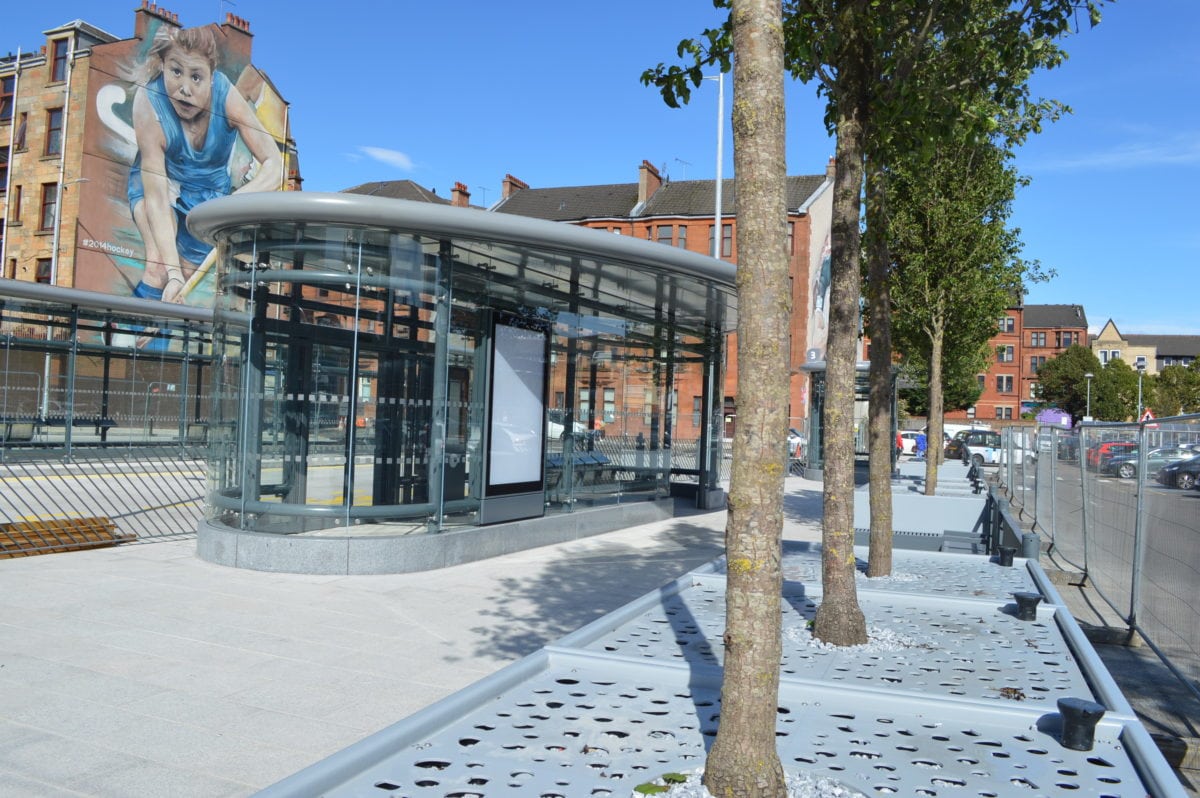
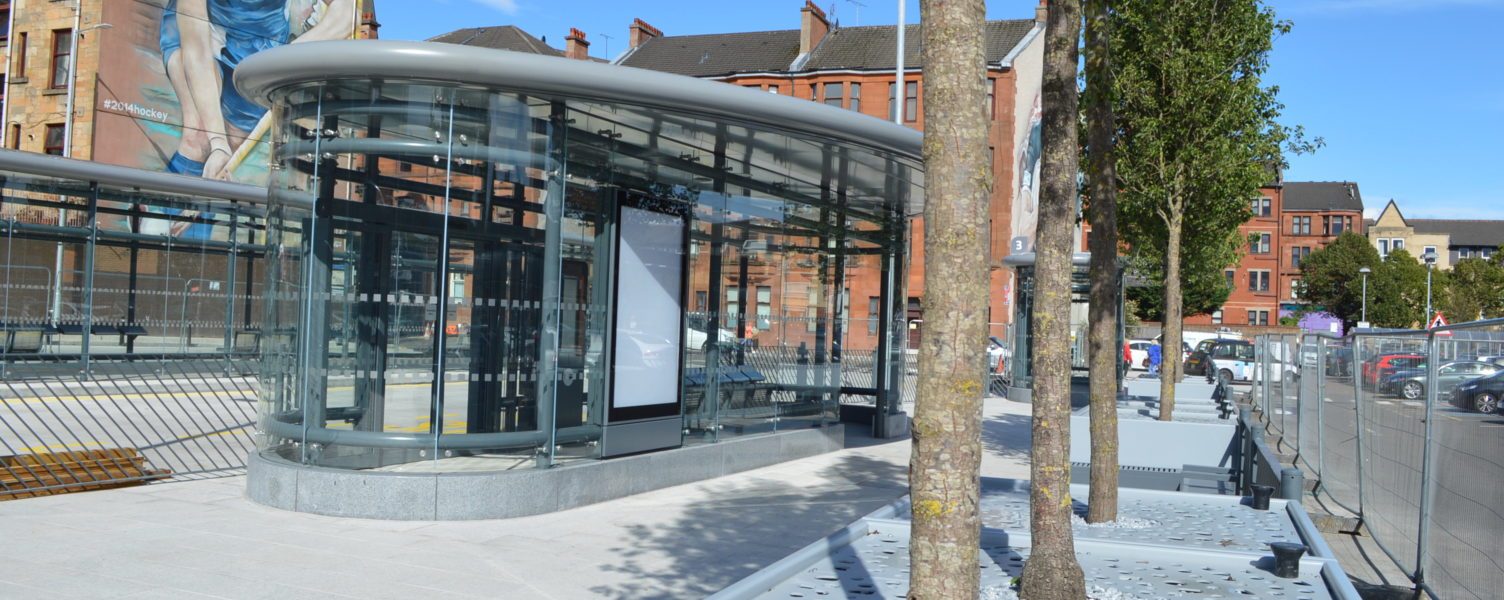
After 11 months of construction, Strathclyde Partnership for Transport (SPT)’s redevelopment of Partick Bus Station is now complete and scheduled to open on 2nd September.

The new bus station forms part of a vital multi modal transportation hub in the west of Glasgow; integrating bus, rail and subway with national cycle and local footpath networks. It is one of Glasgow’s (and therefore Central Scotland’s) busiest interchanges serving one of Scotland’s most densely populated districts; connecting to the Riverside Museum, Glasgow Harbour, Glasgow University, Kelvingrove and bus routes to the new Queen Elizabeth Hospital.

The design solution created by lead design consultant Austin-Smith:Lord increases the number of stances by 20% to accommodate increased bus patronage associated with the opening of the Queen Elizabeth Hospital and anticipated growth resulting from recent and forecast development within the area. The new bespoke bus stances are designed to current best practice and provide modern high quality waiting space that fully integrates lighting, CCTV, seating, and customer information technology.

The stances with their cantilevered roof form and curved glass ends add an attractive and prominent presence within their context, representing the commitment shown by SPT to invest in the creation of a high quality of environment to meet today’s passenger expectations and encourage bus travel as a main transport mode in the west of Scotland.

From project outset, a significant emphasis was placed on improving safety in and around the bus station. The design achieves this by segregating bus movement from other vehicles, segregating pedestrians from the bus manouvering area and creating improved road crossing points. New Lighting within the bus station and stances also promotes an improvement to public safety.

Partick InterchangeThe public realm linking the new bus station with the existing interchange and surrounding streets is dramatically transformed with the installation of new granite paving, seating, trees and lighting which is extended along the interchange frontage to tie in with the recently completed public realm upgrade works by Glasgow City Council.

Austin-Smith:Lord’s Project Director Andrew McCafferty said We are delighted to have led the delivery process from concept to completion. We have enjoyed working closely with SPT and their stakeholders to develop a design solution that will improve the bus passenger experience, promote the ‘seamless journey’ and connectivity with the existing subway/rail Interchange and enhance the quality of environment for those who live and work within the area. The response to the project brief and our vision for the design of the new stances and transformation of the public realm has been realised through successful collaboration between Austin-Smith:Lord and our client SPT, (our sub-consultants Curtins and SVM), cost consultants Currie & Brown, Luddon Construction and specialist sub contractor Trueform.”

SPT senior director Charles Hoskins said “Partick Interchange is an important integrated transport hub for West Glasgow serving one of Scotland’s busiest and most densely populated areas. SPT investment in Partick and the new facilities will significantly improve the bus passenger experience.

 “The introduction of bespoke high quality shelters providing proper protection from the weather, real time passenger information displays, CCTV, and improved LED lighting as well as better provision for wheelchairs with high kerbs offering level entry to the buses, makes the station much more attractive and accessible to the whole community.”


Image credit: SPT

Funding secured to develop key active travel projects emerging from recent Making Falkland and Newton’s Future design charrette

Falkland Charrette, Kids, community consultation

Funding secured to develop key active travel projects emerging from recent Making Falkland and Newton’s Future design charrette

A total of £325,134 has been awarded to Falkland and Newton of Falkland Community Council, Fife to improve walking and cycling links in the local area.

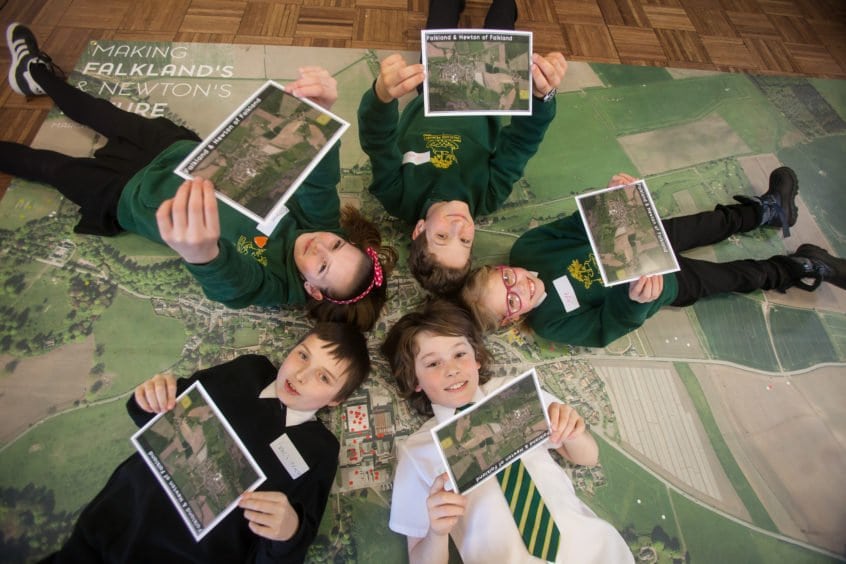
The funding, which comes from the Scottish Government, through Sustrans Scotland’s Community Links programme, will support the development of designs to create a safe, integrated network of walking and cycling routes linking the villages of Falkland and Newton of Falkland and Fife. The funding will enable ideas emerging from the Making Falkland and Newton of Falkland’s Future design charrette, held in March and April 2018, to be progressed.

Falkland High Street (Image credit: John Murray)

As part of the proposals, a 20mph blanket speed limit will be implemented in the Falkland and Newton villages and a Resident Parking Permit Strategy will be developed by autumn 2020. There are also plans to:

  • Run engagement sessions with pupils at Falkland Primary school and with the local community
  • Produce a Maintenance Plan to ensure the sustainability and enduring quality of open spaces in Falkland and Newton of Falkland
  • Collaborate with Falkland Heritage Trust and others to create a public realm design to inform features that will be used in street design to identify, coherent themed active travel routes throughout Falkland and Newton of Falkland.

The move follows on from concerns raised by local residents and businesses about the impact of increased visitor numbers to the area.

Falkland Palace

Sustrans Scotland Community Links Manager, Dave Keane said: “Sustrans are delighted to be able to support Falkland and Newton of Falkland Community Council’s ambitious plans to make it easier and safer for residents and visitors to walk and cycle in the area.

“The Community Council will develop a placemaking plan to provide a vision of how they would like to see their area improved to accommodate the needs of a growing local population and visitors to key tourist destinations in the area including Falkland Palace and Estate.”

Ken Laurie from Falkland and Newton of Falkland Community Council said: “This award will allow the community to translate their vision, voiced over many years, of a vibrant healthy community finally into a reality. The community will be actively involved in all stages of the project to ensure that the placemaking plan improves the quality of life and well-being of all residents.”

Graham Ross, Partner at Austin-Smith:Lord said: “Having facilitated the recent design charrette we are delighted that this funding has been secured to maintain momentum and help translate the ideas in to action. Enhancing active travel and proactively resolving traffic and transportation issues in the villages should help promote healthy placemaking to benefit residents and visitors to the area.”

Development of designs is expected to start in September/October 2018 with school and community engagement, set to take place throughout winter 2018/19.


For more information please contact
Charlotte Otter, Sustrans Scotland Senior Communications and Public Affairs Officer
Charlotte.Otter@sustrans.org.uk
0131 3461384
07824 664445

More information
Sustrans is the charity making it easier for people to walk and cycle.
www.sustrans.org.uk

About Sustrans Scotland’s Community Links Programme
Community Links is funded by Scottish Government and delivered by Sustrans Scotland in partnership with local authorities, statutory bodies and educational institutions for the creation of walking and cycling infrastructure for everyday journeys. Since 2010 the programme has funded more than 500 projects across Scotland.

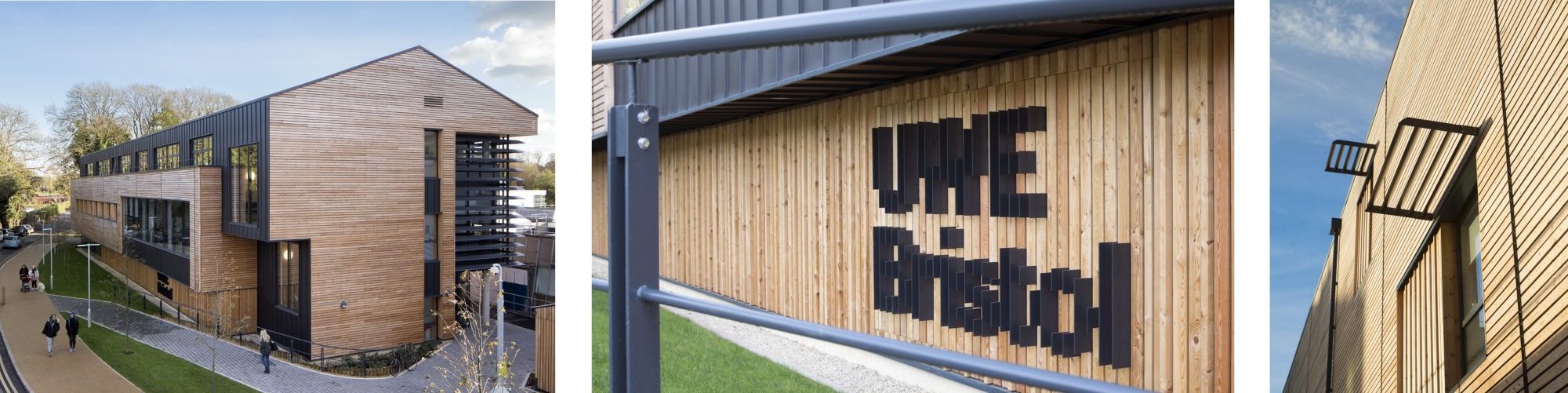
UWE Film Studios opens its doors to the City

UWE Digital Media Building

UWE Film Studios opens its doors to the City

Ever wanted to see yourself star in your favourite movie? Perhaps flying through the air in a jet plane dressed up as a pilot? How about recording your own sound effects for a Western movie?

Well now’s your chance!

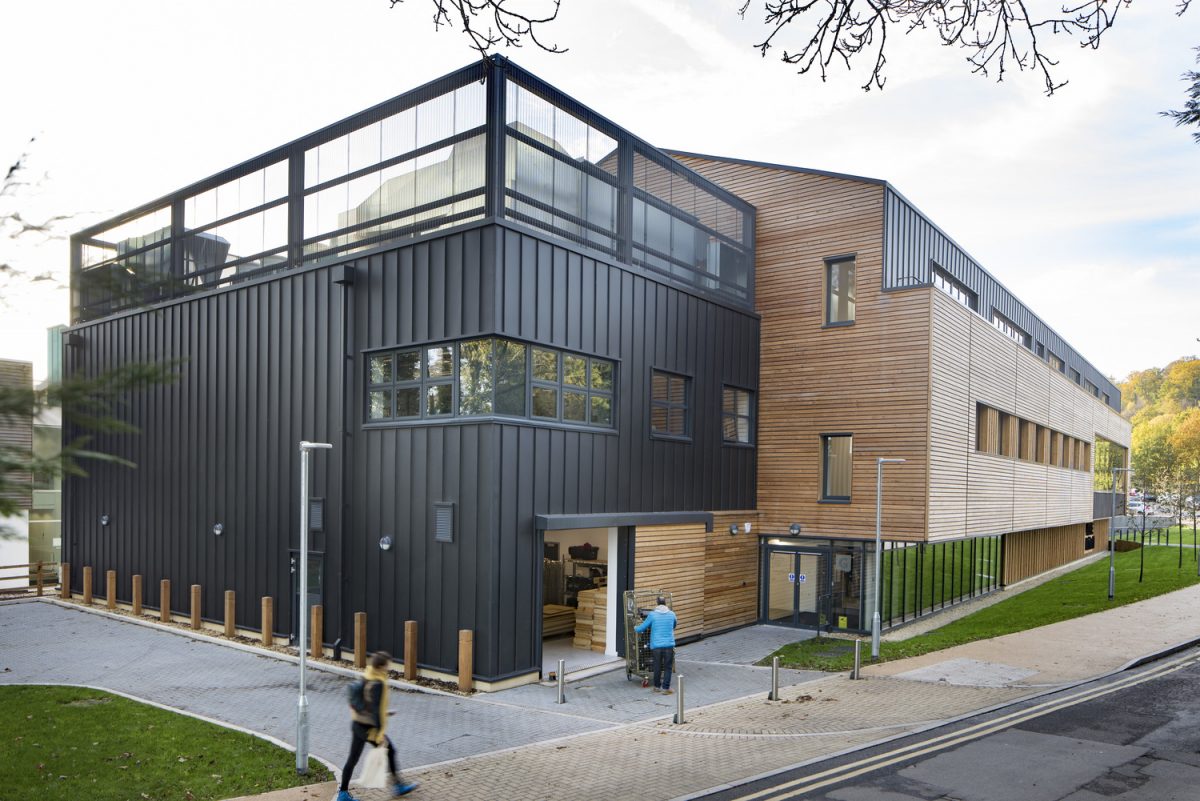
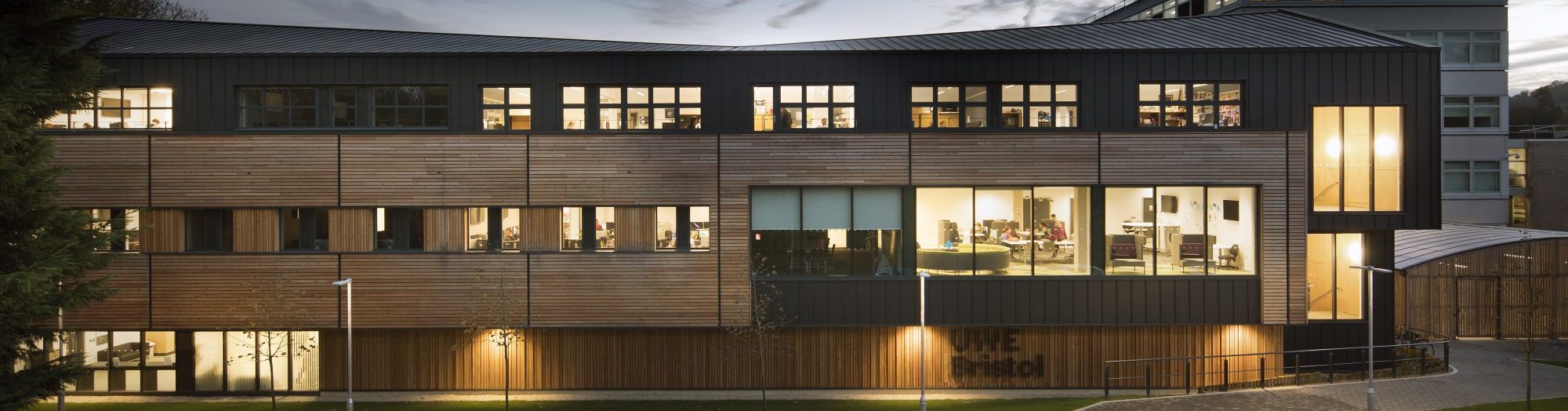
We are incredibly excited to be collaborating with the University of West England to open up our recently completed Bower Ashton Film Studios (also known as the Digital Media Building) as part of the annual Bristol Open Doors initiative this September. Experts from the fields of film making, animation and photography will help budding creatives of all ages glean an insight into the world of Film and TV. Austin-Smith:Lord will be sharing an insight into the design behind UWE’s newest City Campus Building alongside our project partners Arup and Gleeds as part of the ‘Bristol New Architecture’ Strand.

Drop in anytime between 10am and 4pm on the 14th or 15th of September (details here https://bristolopendoors.org.uk/events/uwe-film-studios-city-campus-bower-ashton/). There will be student-led tours every 30 minutes, and Saturday talks at 11.30am and 3pm with the design team. Learn how we collaborated with UWE’s animators and filmmakers to develop a building that unites new technology with traditional craft.

Another of our projects, Ashton Gatehouse, will also feature in Bristol Open Doors. Recently restored from a state of dereliction, the Ashton Gatehouse is the original gatehouse for Ashton Court Mansion, with a number of fascinating original features. Drop in anytime between 10am and 4pm on the 15th or 16th of September (details here https://bristolopendoors.org.uk/events/ashton-gatehouse/)


Bristol Open Doors

For one weekend a year, Bristol Open Doors gives you the keys to the city. Discover heritage spaces, forgotten places and innovative design. Opening 101 fascinating buildings and uncovering their secrets through expert-led tours, the festival celebrates the city’s architecture, heritage and design. Bristol Open Doors is brought to you by the Architecture Centre, with the support of a fantastic network of partners across the city. https://bristolopendoors.org.uk/

The Architecture Centre

The Architecture Centre is Bristol’s centre for design and creative placemaking. Founded in 1996 and based on Bristol’s Harbourside, the charity’s mission is to encourage an understanding and enjoyment of architecture, and to champion better buildings and places for everyone. https://www.architecturecentre.org.uk/

CHANNEL VIEW REDEVELOPMENT: Reshaping a piece of Cardiff’s urban tapestry

CHANNEL VIEW REDEVELOPMENT: Reshaping a piece of Cardiff’s urban tapestry

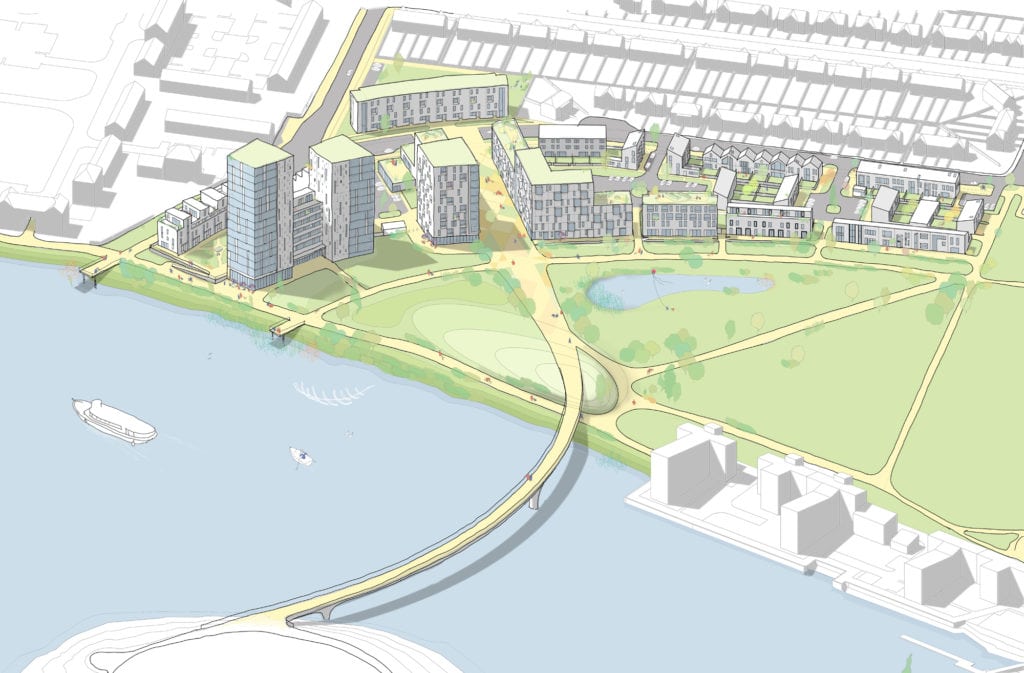
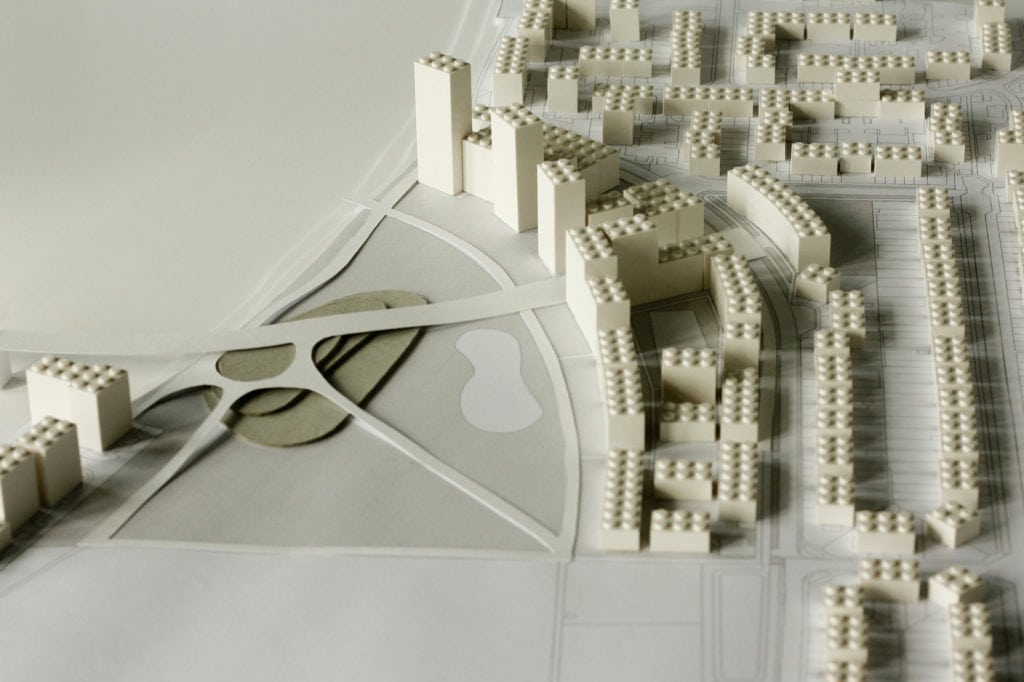
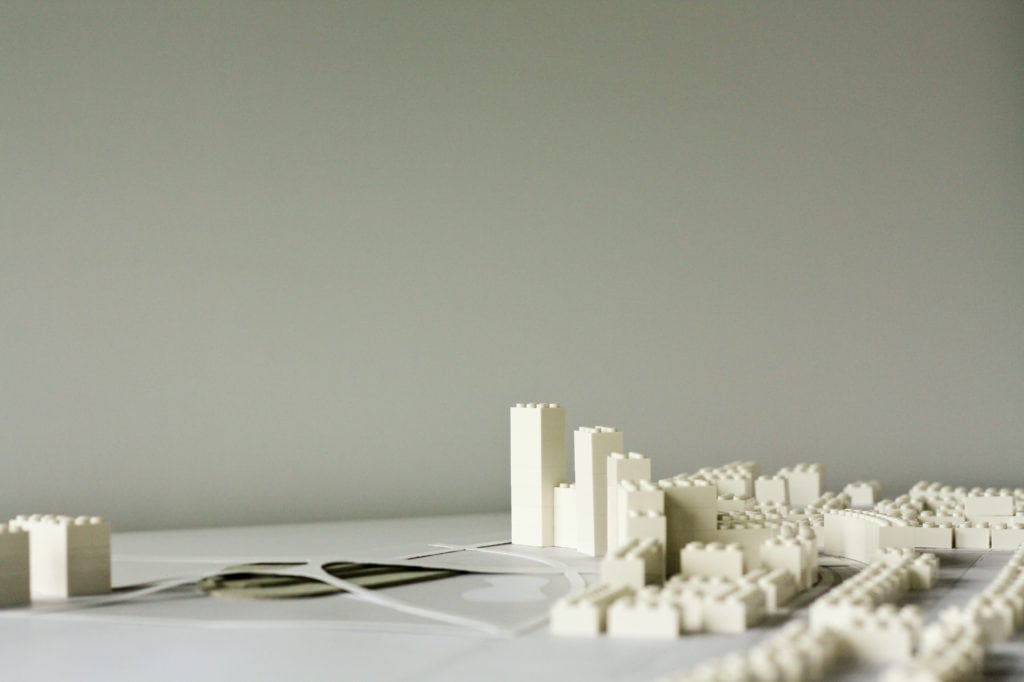
Austin-Smith:Lord was appointed by Cardiff Council to deliver a feasibility masterplan for the strategic redevelopment of the Channel View residential area on the bank of the River Taff.

The design development strategy evolved following a series of consultations with key stakeholders at the council including placemaking and urban design specialists, planners, highways and utilities departments. Starting as a framework of responses to the environmental and urban conditions of the site and a baseline number of properties to be delivered; around 360, the design evolved with each step of consultation in a feedback loop process.

Channel View

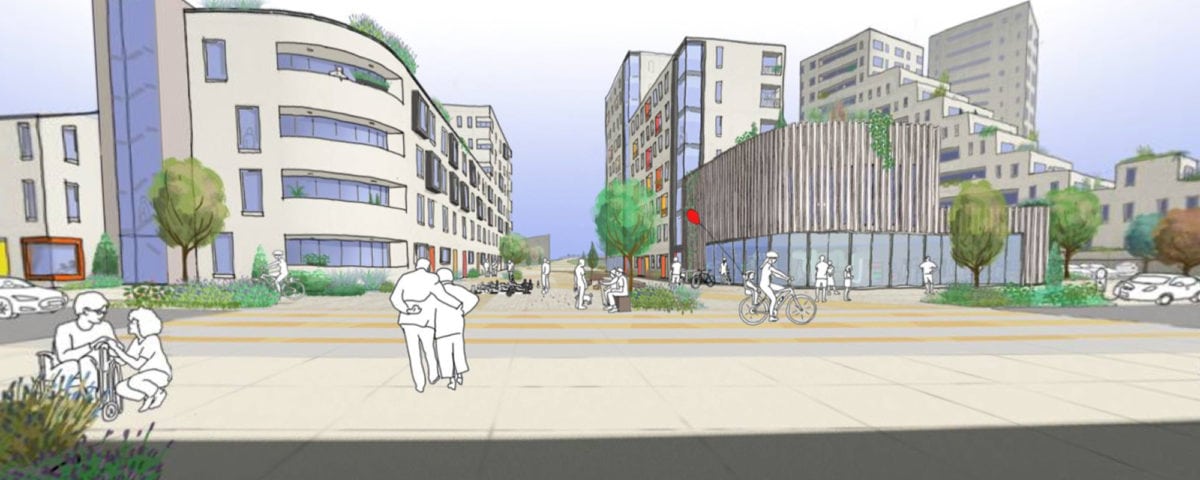
The ultimate aim is to create a good area to live and to visit, with a distinct character,  a neighbourhood that will not only offer high quality housing for its residents but will promote a sense of community. A place to call home.

The process of placemaking at Channel View has only just begun.  Going forward an even greater level of consultation and community engagement will be essential for the scheme’s success as the design progresses.

Alongside the provision of quality new housing and the potential improvements for the local community the study explores opportunities in the wider context of Grangetown and the capital. The masterplan proposes to weave currently segregated parts of the existing local area together. The project also sets in motion discussions about the potential interconnection of the Taff‘s east and west banks to complete the quality pedestrian and cyclist loop around the edge of Cardiff Bay.

The redevelopment of Channel View is an exciting opportunity to alter a part of Cardiff’s urban fabric for the benefit of its existing and future residents and the city through quality placemaking. Austin-Smith:Lord  takes on the challenge with an open mind, design vigour and a big box of LEGO blocks.

UWE Digital Media Building wins ‘Best Educational Building’ at the LABC Regional Awards

University West of England

UWE Digital Media Building wins ‘Best Educational Building’ at the LABC Regional Awards

Our recently completed Digital Media Building at the University of the West of England’s Bower Ashton Campus has been awarded the LABC Regional Award for ‘Best Educational Building’.

Located in Bristol, the new building provides a modern, fit-for purpose, digitally-connected environment that will attract and retain students and retain the University’s reputation as a sector leader. This project forms the first phase of the Bower Ashton Masterplan redevelopment, and comprises a specialist film production studio, control rooms, photographic studios, workshops, student hub, animation suites and sound recording and colour grading spaces, as well as a series of edit suites and staff spaces. We are currently working on the next phase of this masterplan, The Physical Making Building, which is due for completion later in the year.

The project will now go forward to the LABC Awards Grand Finals, which will be held in London this November. We wish the full team the very best of luck.

UWE Digital Media Hub video piece created by UWE student team

University West of England Collage

UWE Digital Media Hub video piece created by UWE student team

When it came to commissioning a video piece to capture the completed Digital Media Hub at UWE, we needed to look no further than the students for whom the building was designed.  This seemed like a perfect opportunity for us to continue our relationship with the building and its occupants beyond the post occupancy review exercises being undertaken.

We met with students Kyle Griffiths, Connor Hall, Toby Hallett and Todd Sinden with support from Student Learning Support Assistant Molly Denton, to set out our brief and invited them to return a proposal to us, exactly as we would with commercial video organisations. The response was enthusiastic and very professional and the team soon set about creating video footage to suit the agreed storyboard. It was great fun for us to be part of the process and a nice twist to become client for a while.

Indeed, Tom Barker, part of our Bristol based architectural team, has had a very interesting journey; firstly he was a UWE student, graduating in 2016, before joining us to work for the university on the project and finally becoming the University’s client in commissioning the video. He has truly seen UWE life from all sides now.

We are delighted with the quality of the completed video piece and pleased to share it with you as a combined record of both our work and that of the Digital Media Hub students.

Watch the video below or click here

Dragons return to adorn The Great Pagoda at Kew Gardens after a 200 year absence

PagodaDragonKewGardens

Dragons return to adorn The Great Pagoda at Kew Gardens after a 200 year absence

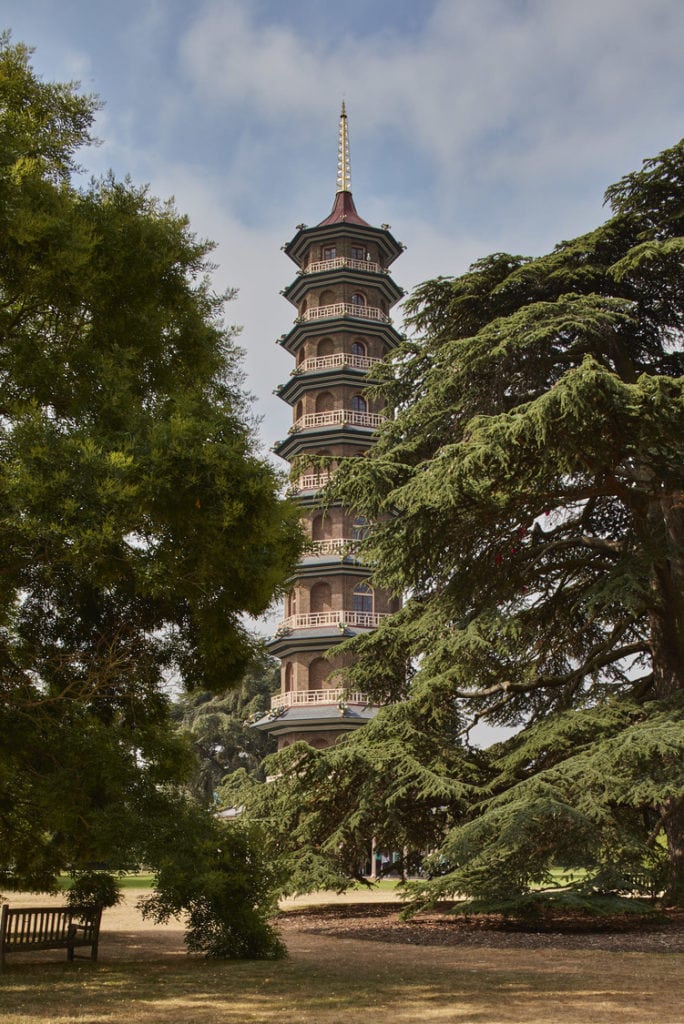
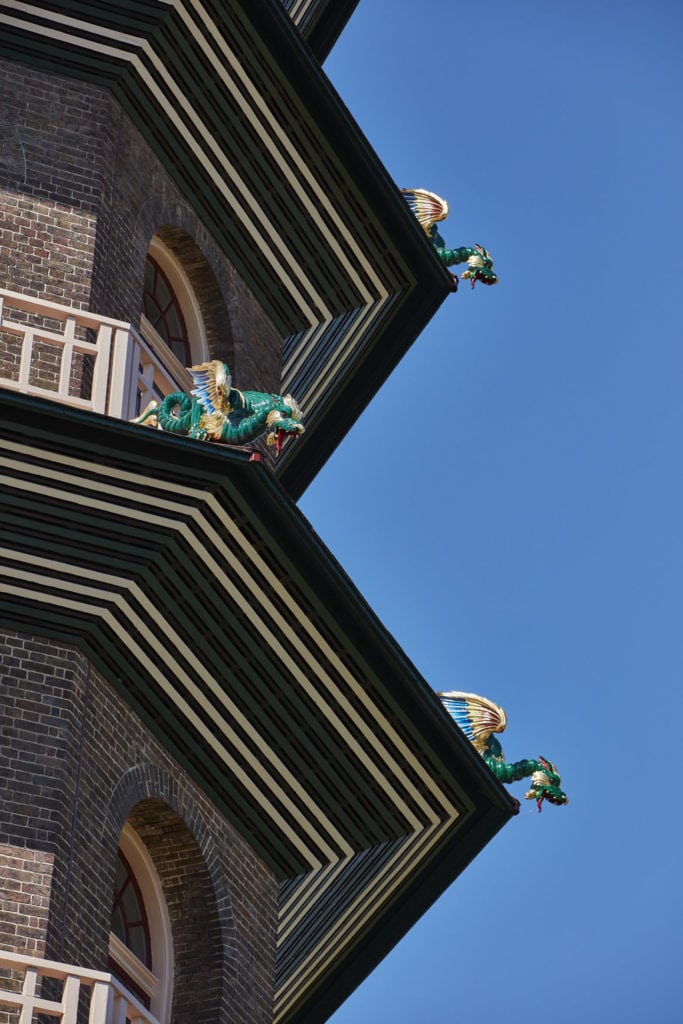
Dragons return to adorn The Great Pagoda at Kew Gardens after a 200 year absence due to the technical expertise of Austin-Smith:Lord Architects. Eighty decorative dragons once again adorn the famous Kew Pagoda, following a two-year conservation project.

Now, the two-year project by our client Historic Royal Palaces in partnership with the Royal Botanic Gardens, Kew, is complete, and dragons once more adorn this unique structure. Thanks to the technical conservation expertise supplied by the Glasgow studio of Austin-Smith:Lord architects, and with the generous support of the Sanpower Group of Companies, the building has finally been returned to its 18th century splendor, and for the first time in decades the general public will have access to the upper floors.

The Great Pagoda was designed by architect Sir William Chambers for the royal family. Chambers was inspired by the buildings he saw when working in Canton and his designs for the Great Pagoda were influenced by prints he had seen of the famous Porcelain Pagoda at Nanjing.  Londoners and tourists alike flocked to see the striking 50m tall building, which formed part of a homage to the Grand Tour in the royal garden, with the Pagoda providing an unusual window into Chinese culture at the time.

It was one of the jewels in the crown of Georgian London: a building so unusual that a suspicious public were unconvinced it would remain standing when it was built in 1762. Designed at the height of the eighteenth century craze for Chinoiserie, The Great Pagoda at Kew was famously adorned with eighty brightly coloured wooden dragons. The eye-catching dragons were the talk of the town.

Observers were most impressed by dragons, designed to dazzle and described tantalizingly in accounts at the time as ‘iridescent.’ Though memorable, the dragons were removed in 1784, when slate and copper work replaced earlier experimental cast iron tiles on the building’s roofs under the direction of Chambers.

David Millar, Lead Designer and Conservation Architect, A-S:L, said

“It has been an immense privilege to be involved with the conservation work at this unique and important 18th century structure sharing our approach to the repairs and the reinstatement of the dragons with the HRP team of surveyors to the fabric and curators. For myself the process has been both intellectually stimulating and rewarding and the end result of this collaborative labour sensational. We have successfully blended traditional craftsmanship with innovative SLS 3D printing to achieve this end result ”

Craig Hatto, Project Sponsor, Historic Royal Palaces, said,

‘It has been fascinating to piece together the story of the elusive dragons, missing from this remarkable building for over two centuries. Using tantalising contemporary accounts and drawings, and taking inspiration from surviving eighteenth century dragons in houses and museums across Europe, we’ve pulled together a team of specialist craftsmen to ensure the new dragons are as faithful to the original design as possible.’

Adrian Phillips, Palaces and Collections Director, Historic Royal Palaces, said,

‘We’re excited to be restoring The Great Pagoda at Kew to its former glory, and are working with Royal Botanic Gardens, Kew towards opening this wonderful building for the public to enjoy from the 13 July 2018. The Pagoda forms an important part of Kew’s fascinating royal history, which we already explore at Kew Palace, the Royal Kitchens and Queen Charlotte’s Cottage.’

To book your visit to the Great Pagoda at Kew Gardens, visit The Great Pagoda at Kew

Coleg y Cymoedd’s Aberdare Campus is ‘Development of the Year’

Coleg Y Cymoedd Aberdare Campus

Coleg y Cymoedd’s Aberdare Campus is ‘Development of the Year’

We are delighted to announce that Coleg y Cymoedd’s Aberdare Campus has been named ‘Development of the Year’ at Insider’s Wales Property Awards 2018.

Austin-Smith:Lord worked on this exciting project from inception to completion, initially in close collaboration with the College and their stakeholders, and latterly with the main contractor, Kier Construction. The timber and metal clad form responds to the context, including an historic old railway building refurbished as part of the project. The project achieved a BREEAM Excellent rating and featured as a CEW Exemplar Project.

Coleg Y Cymoedd Aberdare Campus

The innovative design for the Aberdare campus had to overcome a series of challenges associated with the brownfield site, including flooding. The building is elevated above ground level so as to permit flood water to flow unimpeded across the site, with steel mesh panels offering a barrier to flood debris as well as security of the undercroft. A grand ramp leads up to the south facing main entrance, which give access into a dynamic three storey atrium space, around which all of the college facilities are arranged.

The College are delighted with the new building, and have already seen an increase in learner applications, and a greater level of student retention.

Congratulations to the whole team. The project is an excellent example of how collaborative working and innovation can deliver outstanding results.